Retail shelves work best when every product has a clear purpose. A shopper should be able to understand the difference between a compact reward pouch, an everyday walking accessory, and a more technical training design without reading a long explanation. For brands and retailers, the challenge is to build a range that feels complete without filling the shelf with products that do the same job.
1.Start With Customer Missions, Not a Long SKU List
Before selecting colors or adding pockets, define the shopping missions your collection needs to serve. Some customers train in short sessions and want quick, one-handed access. Others walk their dogs every day and need space for treats, waste bags, keys, and a phone. Active handlers may need a more stable waist-worn design with room for training tools.
Buyers planning wholesale dog treat bags should map these missions before deciding how many styles, colors, and price points to launch.
This approach keeps the assortment focused. It also makes it easier for sales teams to explain why each style belongs in the range. NielsenIQ recommends assessing category performance, basket behavior, and product potential when deciding whether an item deserves shelf space; the same data-led thinking can help buyers decide which accessory roles to develop first. Read NielsenIQ’s assortment guidance
2.Build a Balanced Four-Role Product Range
A practical opening collection can be organized around four roles
- Entry-level reward pouch: A compact, lightweight design for occasional training and short walks. Keep the structure simple, with a secure closure and an easy-access main compartment.
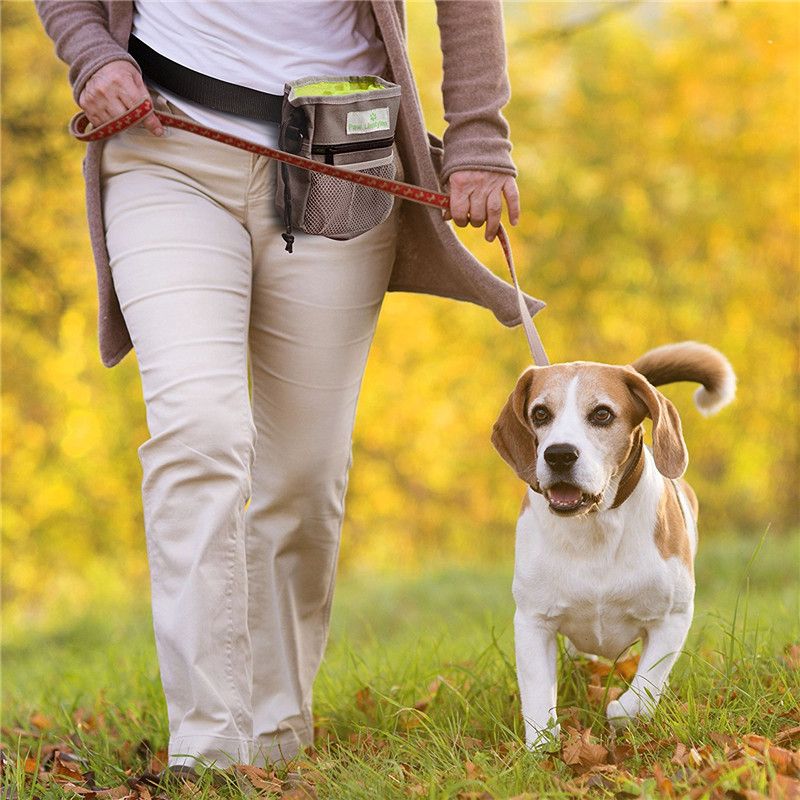
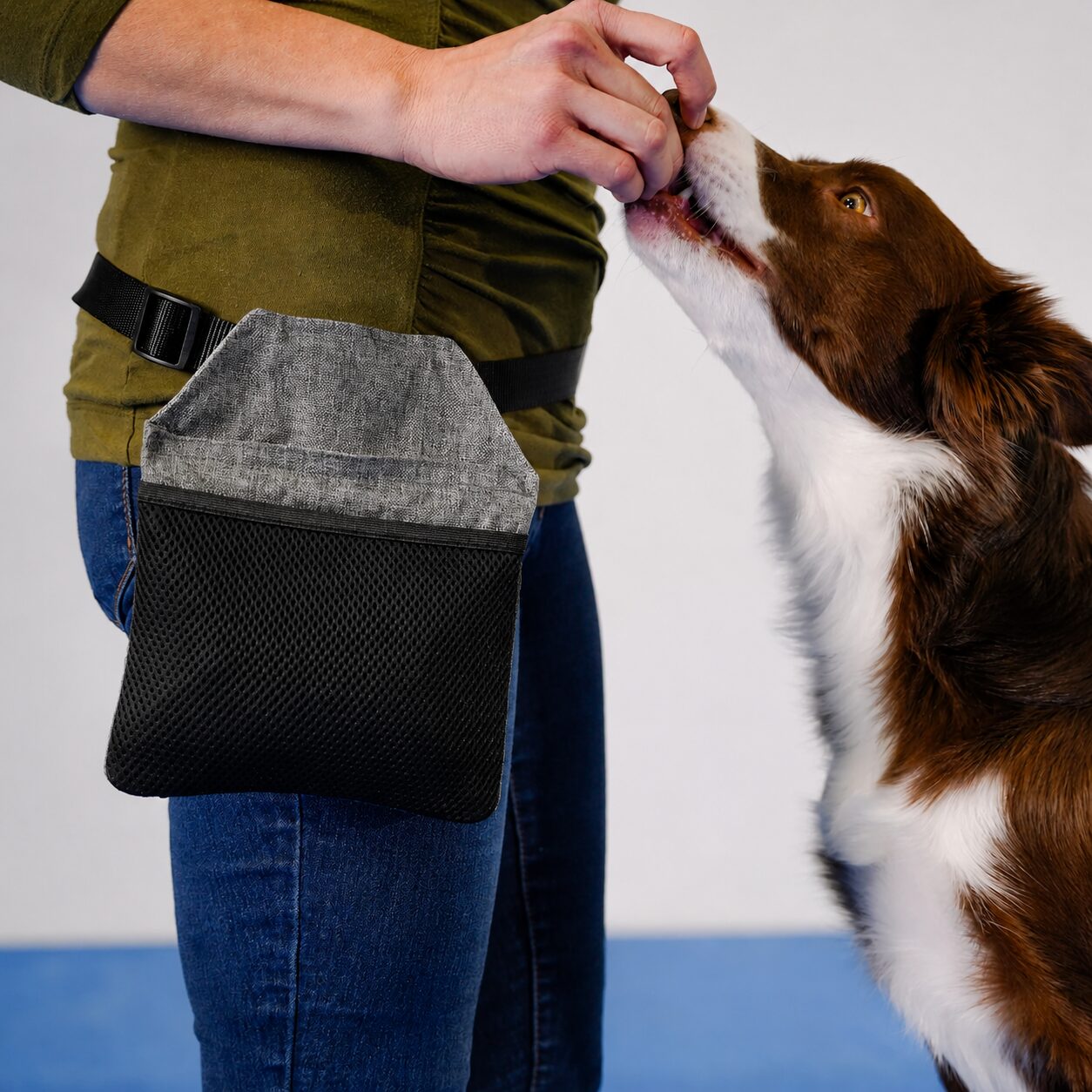
- Everyday walking pouch: A slightly larger option with room for treats, keys, and waste bags. A belt clip or adjustable waist strap makes it suitable for routine use.
- Active training pouch: A more stable design with a wider opening, reinforced attachment points, and optional compartments for a clicker or small accessories.
- Premium multi-function design: A higher-value option with upgraded materials, coordinated colors, detachable components, or a matching leash and harness.
The goal is not to launch four nearly identical products. Each item should have a distinct reason to exist, a different user benefit, or a clear price position. A collection of wholesale treat pouches becomes easier to merchandise when shoppers can quickly see what changes from one model to the next.
The same principle applies when expanding wholesale treat pouches across seasonal colors: add a version only when it serves a measurable customer need.
3.Match the Carry Style to the Use Case
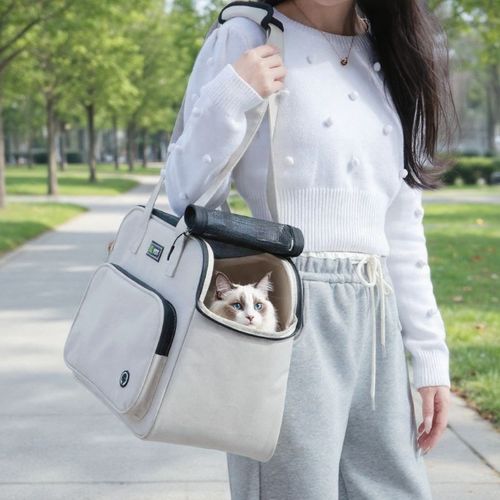
Carry style affects comfort, access, and perceived value. A clip-on pouch is compact and convenient, but its stability depends on the clip position and the wearer’s clothing. A waist pouch distributes weight more evenly and is often better for longer sessions. A crossbody or small walking bag can offer more storage for customers who carry personal items as well as pet essentials.
For a first launch, compare three questions: Can the user reach treats with one hand? Does the pouch stay in place when walking, bending, or turning? Can the main compartment be opened and closed without spilling its contents? These simple checks reveal more than a product photo.
A pet retailer treat pouch should be designed around the actual shopper and use occasion—not just the number of pockets. If the target customer is a professional trainer, quick access and stable attachment may matter more than decorative details. For casual walkers, a compact shape and simple cleaning may be more important.
For a pet retailer treat pouch range, a second option may be justified when it serves a genuinely different channel, such as a premium boutique versus a value-focused multi-store chain.
4.Select Materials and Details That Support Daily Use
The outer fabric, lining, closure, and attachment system should work together. Common options include Oxford polyester for a practical balance of durability and cost, nylon for a lighter feel, and coated fabrics where wipe-clean performance is a priority. The best choice depends on target price, intended use, and the brand’s positioning.
Pay particular attention to the lining. Treat crumbs and oils can collect in corners and seam allowances, so a smooth, accessible interior is easier to maintain than a deep compartment with hard-to-reach edges. A removable insert may be useful for selected designs.
If the pouch is intended to hold unwrapped edible treats, buyers should request material documentation for the actual intended food-contact use. The U.S. FDA explains that the regulatory status of a food-contact material depends on the individual substances and their conditions of use. Review FDA guidance on food-contact materials
Do not assume that a magnetic closure is always better than a drawstring. Magnets can support fast access, while a drawstring may provide more deliberate containment. The correct solution depends on treat size, movement, opening geometry, and user preference. Test the filled sample rather than judging the closure on an empty prototype.

5.Plan Price Tiers and Opening Quantities
A retail-ready range needs a clear price ladder. The entry style should be easy to understand and economical to produce. The mid-tier model should add a meaningful functional benefit, while the premium option should justify its higher price through materials, construction, coordinated accessories, or thoughtful organization.
For the first order, avoid spreading the budget across too many colors and minor variations. A focused launch of bulk dog treat bags can begin with a small number of proven shapes and a limited color palette. Track sell-through by style and color, then expand the versions that show repeat demand.
IGA’s pet merchandising guidance also emphasizes maintaining variety while using price flow, signage, and product placement to help shoppers navigate the category. See IGA’s pet aisle assortment tips
A useful question for buyers is:
Does adding another color create a new selling opportunity, or does it only divide the same inventory across more SKUs?
If two colors serve the same customer and price point, test demand before committing to both in depth.
6.Make Packaging and Shelf Presentation Part of the Product
Packaging should help shoppers understand the product quickly. Consider a clear product name, a short list of functional benefits, dimensions, material and care information, barcode placement, and a hangtag or display-ready format suited to the sales channel. Online listings also need consistent product photography and accurate feature descriptions.
For stores, use a simple visual system to distinguish entry, everyday, and premium styles. A consistent logo position and coordinated color palette can make the range look like one collection, while a small feature panel can explain differences such as one-hand access, a removable liner, or an integrated waste-bag slot.
For ecommerce, prepare images that show the pouch worn on the body, the interior layout, closure operation, and scale beside common accessories. These details reduce uncertainty more effectively than a collection of similar front-view images.
7.Illustrative OEM Project: From Assortment Brief to Sample Set
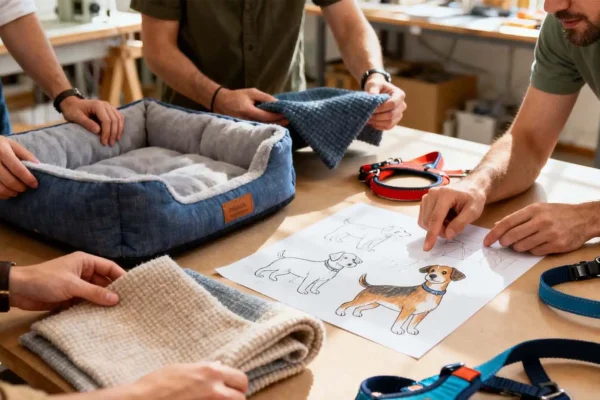
Independent pet retail chain preparing to introduce its own private-label walking accessories. The buyer initially requests several colors of one basic pouch. During the product discussion, we identify three different customer missions: casual daily walks, reward-based training, and longer outdoor outings.
Instead of simply quoting more colors of the same shape, our development team proposes a three-style sample set:
- A compact clip-on pouch for everyday use.
- A waist-worn training design with a wider opening.
- A larger walking pouch with separated storage for treats and personal items.
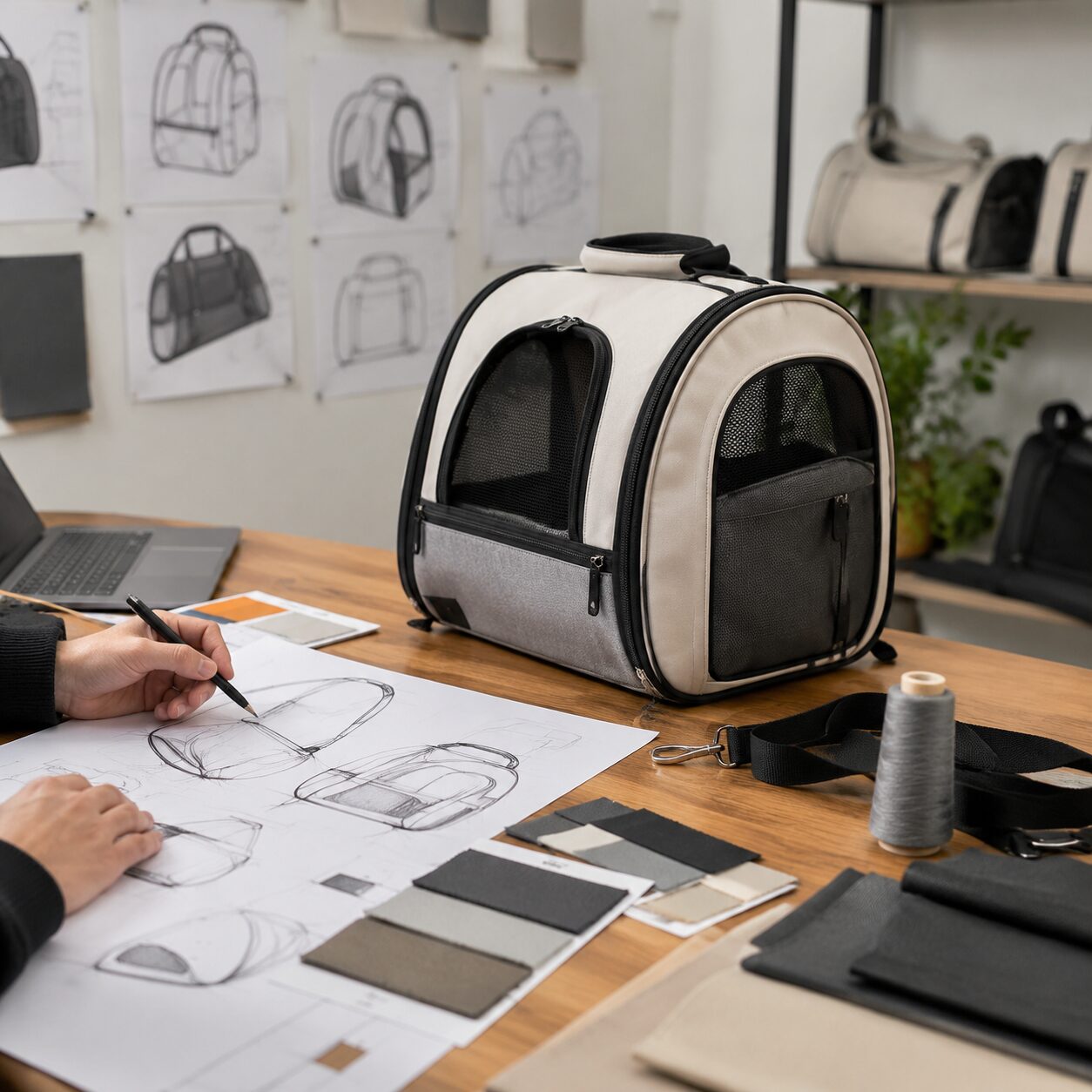
We then compare fabric options, lining cleanability, closure behavior, attachment strength, logo placement, and packaging requirements against the buyer’s target price.
The buyer can evaluate the samples side by side before deciding which styles deserve a first order. This process also creates a shared specification for dimensions, materials, hardware, logo position, and approved construction. It is a more useful starting point for dog training bags wholesale than choosing products from catalog photos alone.
The advantage of working with a development-oriented manufacturer is the ability to refine the product range before committing to bulk production. This is especially valuable when sourcing dog training bags wholesale, because small structural differences can change how a pouch performs during repeated movement.
At Aimazing, our team supports OEM/ODM customization, sample development, material selection, and coordinated product design. With 10 production lines and over 200 workers, we can support both product development and scalable production.
Our standard custom pet bag MOQ starts at 100 units per style/color, while applicable samples can typically be developed in 3–5 business days; project timing should be confirmed against the final specification.
See our OEM/ODM customization process for an overview of the development steps.
8.Connect Treat Pouches With the Wider Walking Collection
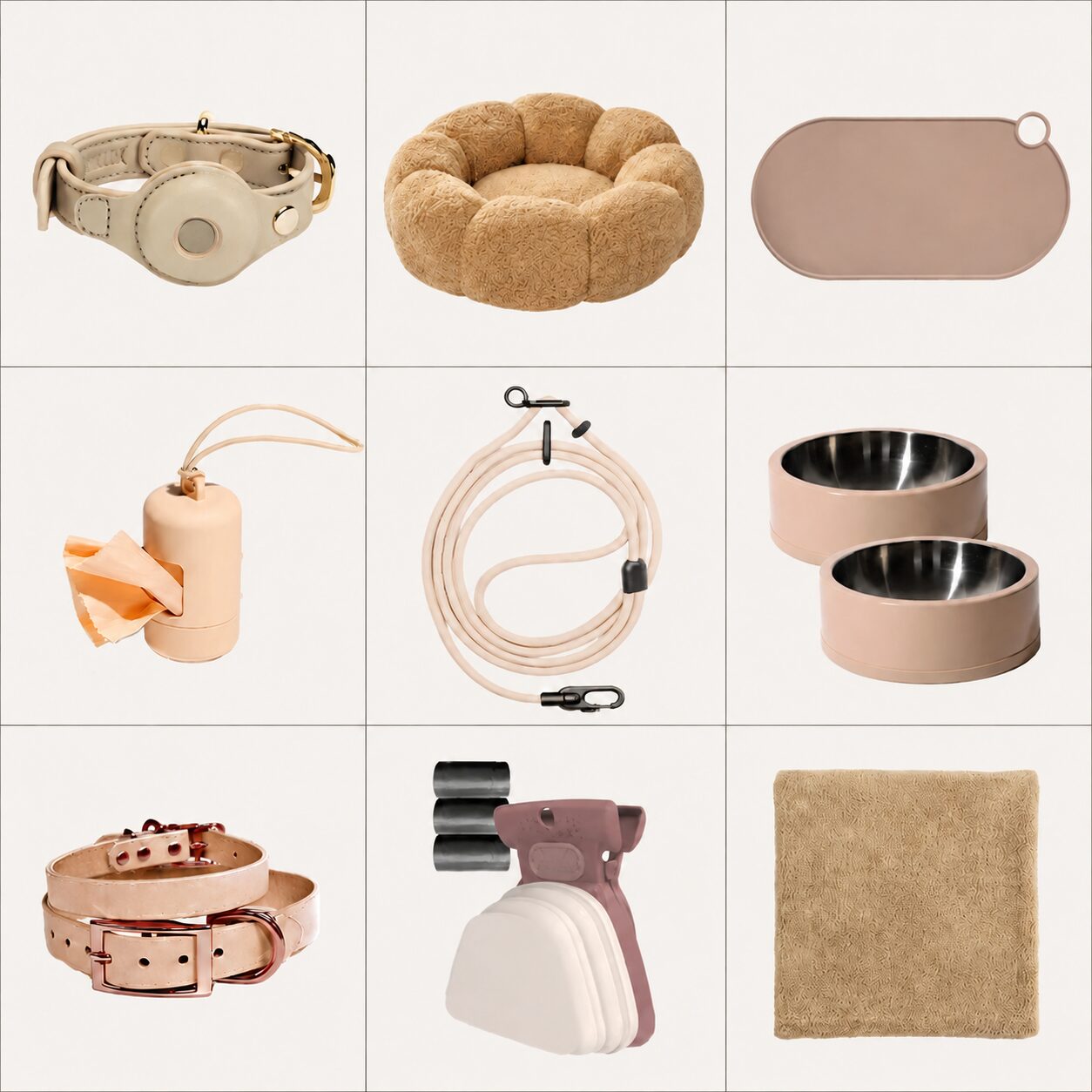
A treat pouch does not have to be sold as an isolated accessory. Retailers can build a coordinated display with harnesses, leashes, waste-bag holders, collapsible bowls, and other walking essentials. This creates a natural opportunity for shoppers to compare related products and build a more complete set.
For dog walking bag wholesale programs, coordinated colors, matching logo treatments, and shared packaging elements can connect several products.
The dog walking bag wholesale range can then connect the pouch with harnesses, leashes, and waste-bag accessories.
For brands, this helps create a recognizable collection. For distributors, it provides more options for presenting a focused range to different retail accounts.
Explore our custom pet accessories collection for examples of coordinated walking and training products. Buyers developing a more specialized pouch can also read our guide to comparing dog training pouch samples.

9.Set Reorder Rules Before the First Shipment
A product range is not complete when the first shipment arrives. Before launch, decide which sales data will trigger a reorder: units sold per week, sell-through by color, stock cover, seasonal demand, or a minimum shelf quantity. Separate fast-moving core styles from slower experimental designs so that one weak color does not distort the performance of the entire collection.
For a second order of bulk dog treat bags, review returns, customer feedback, packaging damage, and the reasons shoppers choose one carry style over another. Use those findings to decide whether a repeat dog walking bag wholesale order needs more capacity, a different attachment, or simply a replenishment of the core style.
Keep the approved sample and specification as the reference for any repeat order. If a material, closure, or logo detail changes, record the revision and approve it before production.
Questions Buyers Should Ask Before Confirming an Assortment
Should every treat pouch include a waste-bag dispenser?
Not necessarily. It is useful for some walking customers, but it adds structure and may affect the position of the main compartment. Offer it where the target use case supports it rather than adding it to every model.
Is a larger pouch always more valuable?
No. More capacity can mean extra weight, bulk, and a less stable fit. The right size is the smallest practical format that carries the items the target customer actually needs.
How many styles should a new retailer launch?
Start with a manageable range that covers clearly different use cases. Use early sales and customer feedback to decide which features, sizes, and colors deserve expansion.
What should buyers compare when sourcing wholesale dog treat bags?
Look beyond unit price. Compare the approved materials, lining, closure, attachment system, usable capacity, branding, packaging, sample accuracy, and the manufacturer’s ability to repeat the same construction in bulk.
A well-planned range of wholesale dog treat bags should also be easy to reorder without changing its approved specifications.
Build a Range That Can Grow With Your Brand
A strong assortment is not the one with the most SKUs. It is the one in which each product has a clear role, a defined customer, and a practical reason to earn shelf space. With the right balance of function, price, presentation, and production planning, brands can develop a collection that is easier to launch, explain, and replenish.
At Aimazing Bag, we work with pet brands, wholesalers, and distributors to develop customized pouches and coordinated walking accessories. From the first design brief to sample approval and bulk production, our team can help turn your assortment plan into a manufacturable product range.