A promising design is only the beginning of a successful pet product. Before a brand places a wholesale order, it needs to know whether the bag is comfortable for pets, easy for owners to use, affordable to produce, and practical to ship.
At Aimazing Bag, we help overseas brands turn ideas into Custom Pet Bags through a clear OEM/ODM process. For suitable designs using available materials, initial sampling typically takes 3–5 days after the specifications are confirmed. We also support orders starting from 100 pieces, making it easier for new brands to test a product before committing to a larger run.
1. Start with the Customer’s Problem, Not Just a Drawing
Good pet product development begins with a few simple questions: Who will buy this bag? Where will they use it? What complaints do they have about the products already on the market?
A bag designed for short vet visits has different needs from a carrier used on long trips. A travel organizer for pet food and accessories also needs a different layout from a bag designed to carry a cat or small dog.
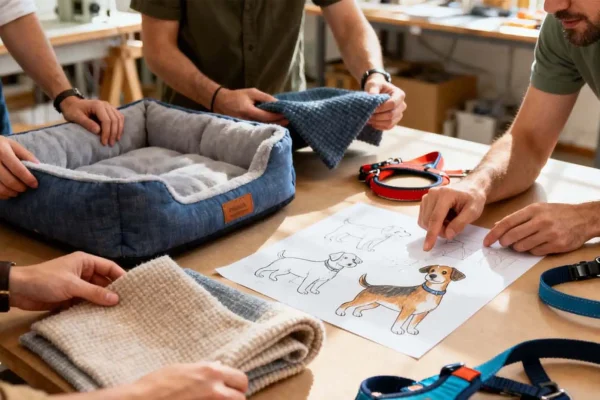
As a pet bag manufacturer, we ask buyers to share the intended product use, target selling price, expected order quantity, preferred materials, and any reference photos or sketches. A full technical drawing is helpful, but it is not required for the first discussion.
This early conversation helps both sides avoid expensive changes later. For example, a brand targeting airline travel should check the size rules of its intended airlines before fixing the carrier dimensions. There is no single size accepted by every airline.
2. Turn a Product Idea into a Clear Development Brief
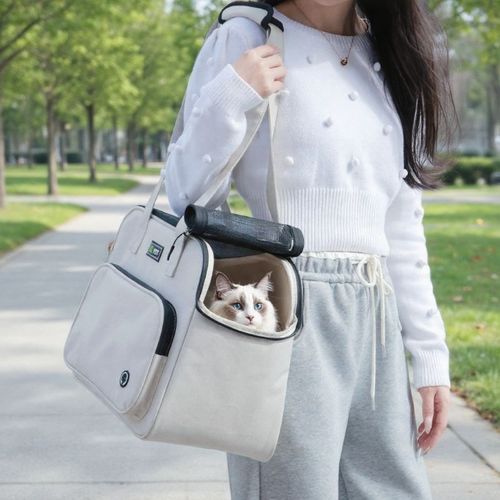
Once we understand the market and use case, we help the buyer decide which features matter most. For a personalized pet carrier, those details might include the opening direction, ventilation area, support panels, shoulder straps, removable mat, and logo position.
A useful brief usually covers:
- Size and capacity: External dimensions, usable internal space, and the intended pet size or load.
- Construction: Soft-sided or structured walls, foldable design, reinforcements, and access points.
- Materials: Outer fabric, mesh, lining, padding, zippers, buckles, and bottom board.
- Branding: Color, logo technique, labels, packaging, and retail presentation.
- Business needs: Target price, initial quantity, delivery market, and planned launch date.
A mockup can help the buyer check proportions and logo placement before the sample is sewn. Our team targets a 2-hour initial mockup and a 3-hour quotation when the requirements are clear, although complex requests may take longer.
Buyers who want a fuller picture can review our step-by-step customization process.
3. Choose Materials That Solve Real Problems
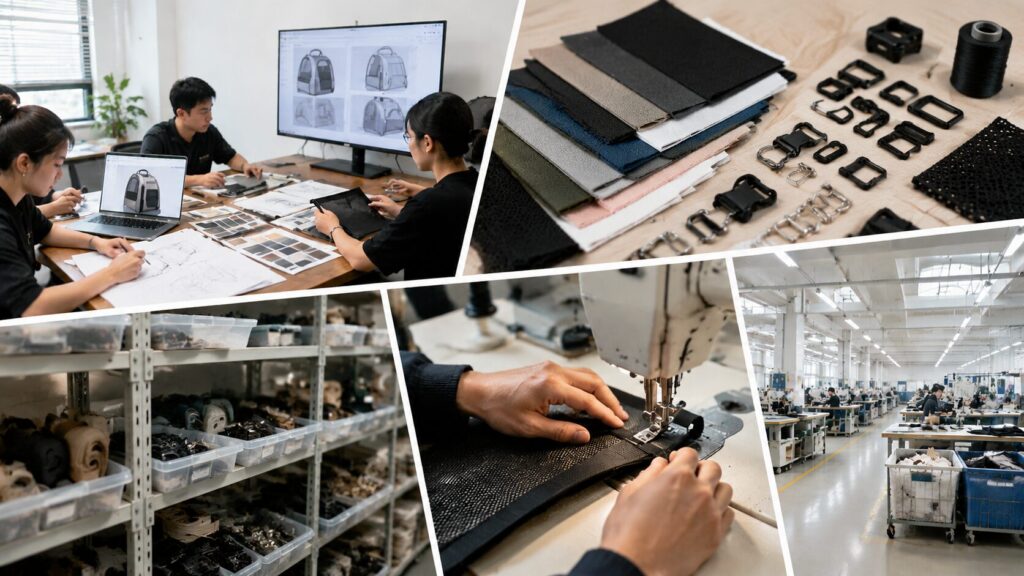
When we develop Custom Pet Bags, the goal of our pet products development & services is not to add as many features as possible. It is to choose the right materials and construction for the product’s use, budget, and target market.
For example, 600D polyester or Oxford fabric can be a practical choice for everyday travel gear, while nylon or RPET fabric may suit other durability, weight, or brand-positioning requirements. Mesh improves airflow, but its resistance to scratching depends on its construction. A soft lining may feel comfortable yet be harder to wipe clean than a suitable coated material.
The same trade-offs apply to bag structure. A lightweight carrier is convenient to transport, but it still needs appropriate bottom support and reinforced attachment points for the intended load. More padding is not automatically better if it reduces useful internal space.
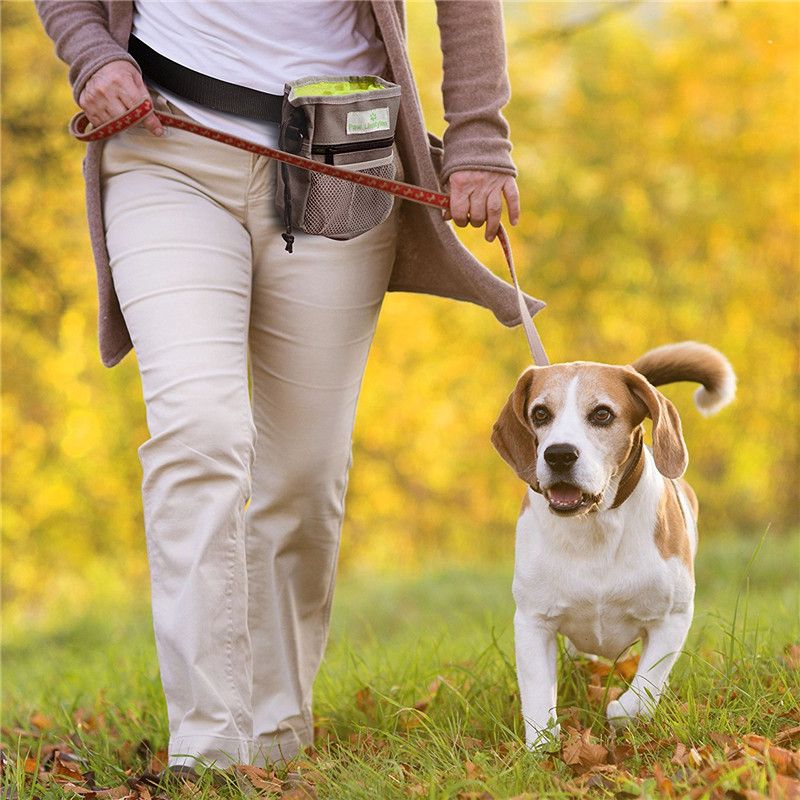
We also help buyers compare different styles within our custom pet travel bag range, including pet totes, backpacks, carriers, and travel organizers. The aim is to make a design that customers will use—not just admire in a product photo.
4. What Actually Happens During the 3–5 Day Sampling Process?
Before we promise a 3–5 day sample, we first check whether the requested fabric, zippers, mesh, and hardware are available. A basic carrier using existing materials is usually easier to schedule than a design requiring a new molded component. For buyers, this distinction matters. A sample delivered quickly is helpful, but only if it uses materials close to those planned for bulk production.
A wholesale pet carrier manufacturer should make the process easy to follow. For a straightforward project using available fabric and hardware, our typical workflow looks like this:
| Stage | What we do | What the buyer receives |
|---|---|---|
| Before sampling | Confirm dimensions, features, materials, logo, and sample cost | Agreed specifications |
| Days 1–2 | Make patterns, prepare materials, and review construction details | Updates on key design decisions |
| Days 3–5 | Cut, sew, assemble, and check the first physical sample | Sample photos or video and a sample ready for review |
These are typical planning targets, not a promise for every design. Custom molds, unusual materials, additional testing, shipping, or major design changes can extend the schedule. A revised or pre-production sample is a separate step and should be timed after feedback is agreed.
As a custom pet travel solutions supplier, our job is to explain the timeline at the start instead of giving a short deadline that cannot be met.
5. Check the Sample Before You Commit to an Order
A good-looking prototype is not enough. During pet product development, we look at how the bag works in everyday use and whether the construction matches the agreed specifications.
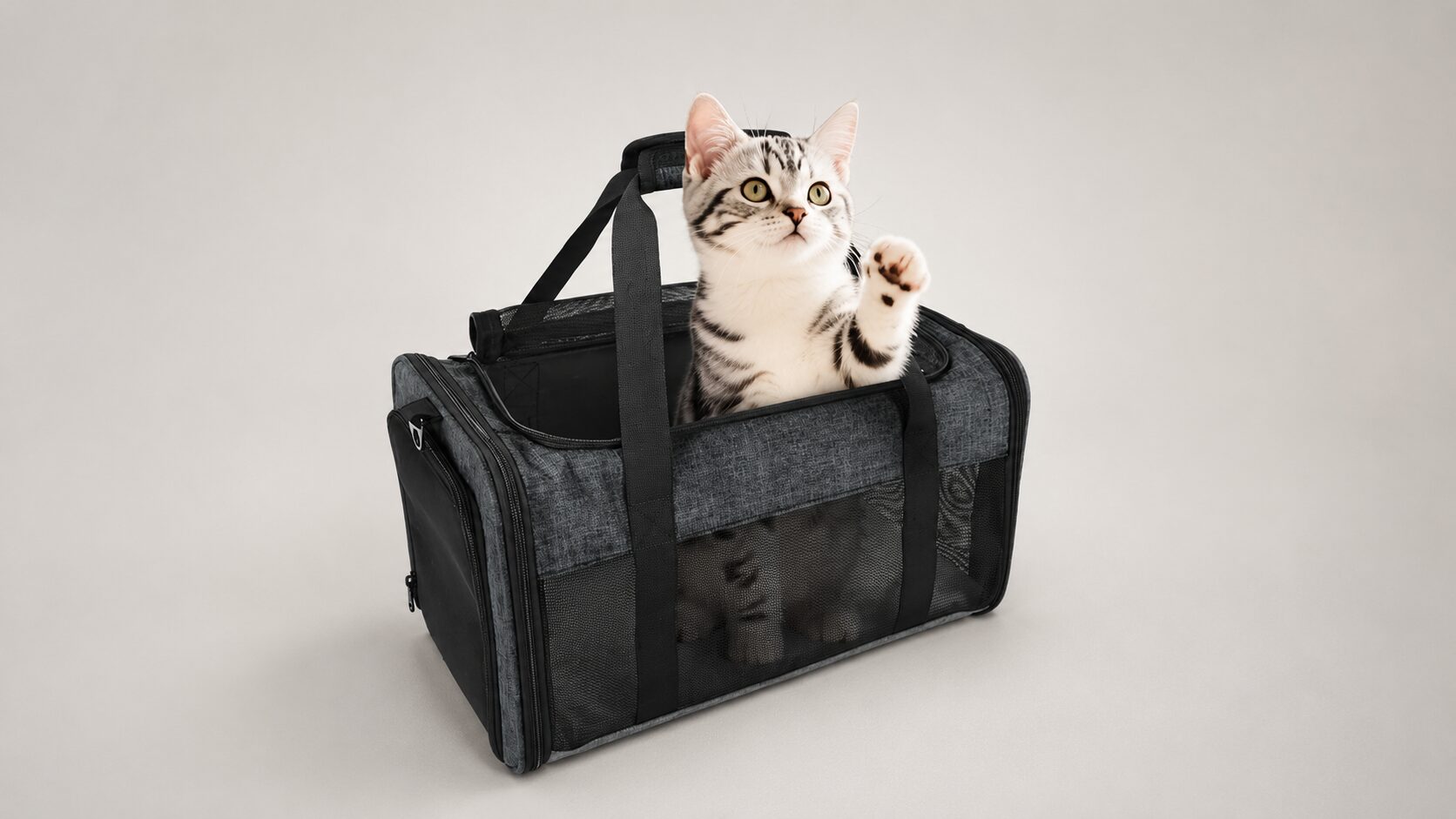
For a carrier, buyers should review the ventilation layout, zipper security, stitching at load-bearing points, internal space, and how the bottom panel behaves under the intended load. For a travel organizer, they may care more about removable dividers, pocket access, bottle storage, and how much room the packed bag takes up.
Some checks are straightforward: measure the finished bag, inspect stitching, open and close the zippers, and review the product photos or video. Others—such as strength testing, material compliance, or suitability for a particular airline—need agreed test methods or third-party evidence. We do not treat a visual inspection as proof of formal certification.
Our quality-control process covers checks on incoming materials, work during production, finished bags, and packing. This matters because the approved sample becomes a reference for later manufacturing.
6. Make the Product Easy to Manufacture Again
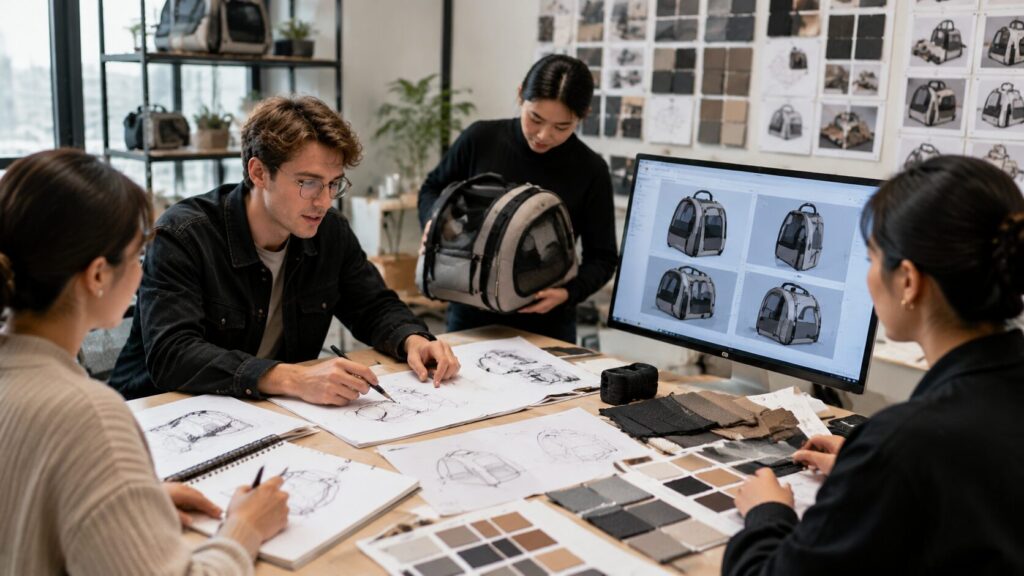
The biggest difference between a sample and a commercial product is repeatability. When buyers order Custom Pet Bags, they need every production batch to follow the agreed design—not just the first sample.
That is why we review more than the outside appearance. We confirm sewing methods, dimensions, logo placement, material substitutions, accessories, packaging, and inspection points before bulk production begins.
For a personalized pet carrier, even a small adjustment can affect repeatability. Moving a zipper may change how panels are sewn. Adding a thicker base may improve support but increase weight and carton size. Changing the logo method may affect cost or lead time.
Our typical minimum order quantity starts at 100 pieces, subject to style and material requirements. This gives growing brands a practical entry point for a first run, while allowing larger buyers to scale an approved design. Standard bulk production can often be planned within 10–35 days after final approval and order confirmation, depending on order size, material availability, and customization.
7. Think About Cost, Packaging, and Delivery Early
Brands do not only buy a product; they buy the whole route from concept to inventory. Our pet products development & services therefore include practical discussions about packaging, shipping dimensions, labeling, and delivery options.
For example, a foldable carrier may take up less warehouse space than a rigid model. That can be useful for e-commerce sellers, but the folding design still needs to meet the product’s strength and comfort requirements. A larger retail box can look premium on a shelf but may also add freight and storage costs.
Before confirming an order, we recommend agreeing on the approved sample, final unit price, order quantity, packaging requirements, inspection arrangements, and delivery terms in writing. A reliable pet bag manufacturer should be able to explain how these details affect cost and timing.
Our OEM/ODM service overview explains how we support buyers beyond the first prototype.
8. What Should You Expect from a Long-Term Factory Partner?
Choosing a manufacturing partner involves more than comparing two quotes. Buyers also need clear communication, consistent quality, practical design feedback, and a reliable way to handle changes.
Aimazing’s manufacturing roots date back to 2000. Today we support overseas brands, retailers, and distributors with design discussions, sampling, customization, quality checks, and wholesale production. We work as a development partner rather than simply sewing from a drawing.
A capable custom pet travel solutions supplier should be willing to explain trade-offs. If a particular fabric raises the cost without adding much value for the intended customer, the buyer deserves to know. If a requested feature needs additional sampling, it is better to discuss that early.
Similarly, a wholesale pet carrier manufacturer should be able to show how an approved sample will be translated into production instructions and inspection standards. That is the difference between a good-looking prototype and a dependable product line.
9. Ready to Discuss Your Next Pet Bag Project?
Developing Custom Pet Bags should be a practical, transparent process. Start with the problem your customer needs solved, agree on a clear brief, review a physical sample, and confirm manufacturing details before placing a bulk order.
Whether you have a detailed tech pack or just a few reference images, tell us your target market, preferred size, must-have features, expected quantity, and budget. Our team can discuss material options, a realistic sampling timeline, and the next steps for your OEM/ODM project.
Have an idea for a new pet carrier or travel bag? Contact Aimazing Bag to discuss how to make it work for your brand.