1. The Core Architectural Dilemma: Why Catalog Builders Must Master Soft-Sided vs Hard-Sided Pet Carrier Options
Urban commuters, airline travelers, and veterinary clinics dictate radically different structural requirements for pet transit gear when evaluating a primary soft sided vs hard sided pet carrier. Brand managers must evaluate material flexibility and margin potential before finalizing manufacturing blueprints. Modern consumers demand targeted solutions tailored to their specific lifestyle mobility needs. Urban transit users require lightweight collapsible soft-goods that fit easily into crowded subway cars. Conversely, veterinary facilities and cargo shippers demand impenetrable rigid enclosures for aggressive or high-anxiety animal management. Master catalog builders must reconcile these opposing market demands during initial product-line conception.
- Urban Transit Demands: Modern city dwellers require lightweight, flexible soft-goods that navigate public transit systems effortlessly.
- Clinical Requirements: Veterinary clinics and cargo transport providers demand rigid, impenetrable containment structures for animal safety.
- Market Segmentation: Catalog architects must divide product lines to satisfy distinct consumer use cases across global retail sectors.
- Margin Optimization: Balancing soft-goods flexibility with hard-shell security maximizes overall wholesale catalog profitability.
2. Rigid Containment Engineering: Sourcing and Specifying a Hard Shell Pet Carrier
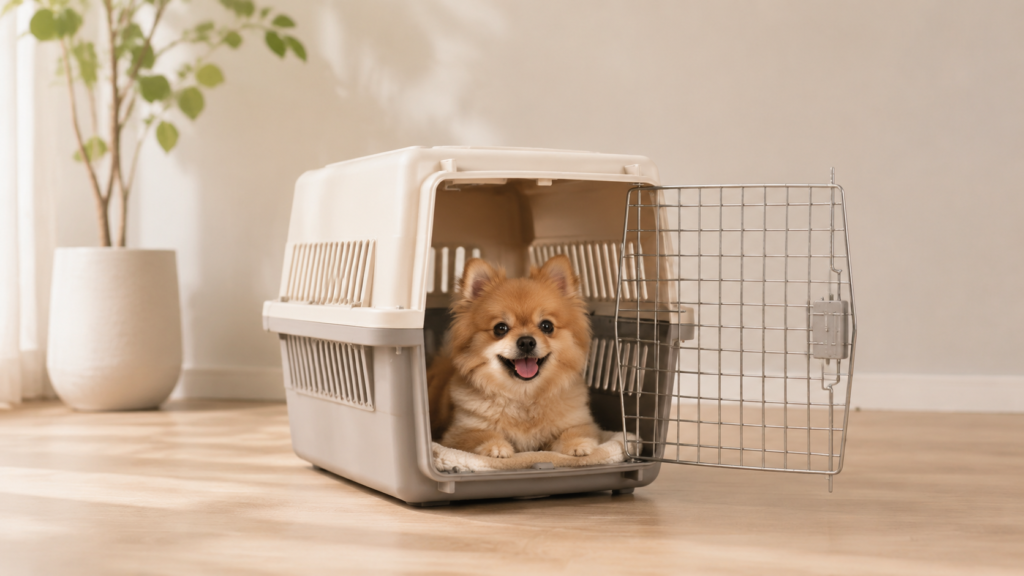
High-density polyethylene and ABS injection molding deflect severe drop impacts and heavy luggage crushing during transit when sourcing a durable hard shell pet carrier. Comparing a soft sided vs hard sided pet carrier comes down to heavy-duty impact physics. Molded polymer shells swallow brutal G-force spikes and shrug off multi-hundred-pound static crush loads during savage airport baggage handling. Drop-tower sims prove these rigid cages provide impenetrable containment for high-anxiety or aggressive animals, locking in total safety through integrated ventilation grates and heavy-gauge steel door frames.
| Structural Component | Material Specification | Engineering Defense Objective |
| Outer Shell Matrix | High-density polyethylene and ABS | Absorbs severe mechanical drop impacts effectively |
| Door Frame Assembly | Precision-stamped reinforced steel | Prevents structural failure under high-stress animal loads |
| Ventilation Grate | Molded-in polymer grid layout | Maximizes internal oxygen circulation for traveling pets |
| Latch Mechanism | Dual-action spring locking pins | Resists dynamic pushing forces from aggressive animals |
3. Spatial Versatility: Evaluating a Soft Pet Carrier vs Crate for Modern Retail
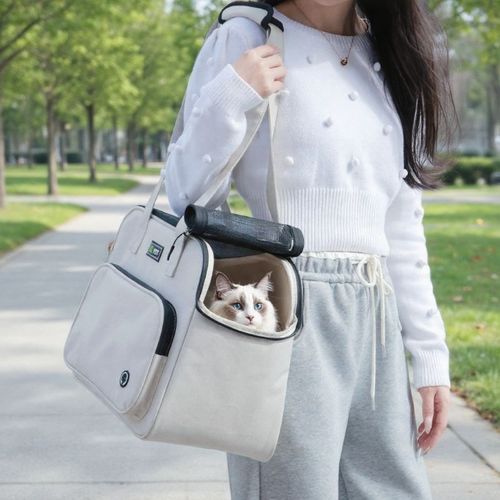
Traditional rigid wire and plastic crates contrast sharply against flexible soft walls that fold flat for efficient retail storage when evaluating a soft pet carrier vs crate retail display strategy. Stashing rigid wire crates in a modern apartment is a total nightmare, which is why crushing e-commerce logistics demands space-saving engineering when weighing a soft sided vs hard sided pet carrier. Soft-walled frames fold flat into a slim profile for killer freight savings and effortless closet stowage, cutting out the bloated shipping overheads of rigid traditional cages. Dropping this direct comparison into your digital storefront gives urban pet parents an easy win—pitching chic, cushion-packed comfort that converts casual scrollers into buyers overnight.
- Logistics Efficiency: Flat-folding soft-goods eliminate the expensive volumetric freight overheads of rigid wire crates.
- Home Storage Utility: Flexible structural walls collapse into slim profiles for effortless domestic closet placement.
- Digital Conversion: Lifestyle-focused marketing comparisons drive high e-commerce conversion rates among urban buyers.
- Ergonomic Appeal: Cushioned interiors and shoulder straps provide superior convenience for active pet parents.
4. Global Transit Compliance: Executing an Airline Carrier Comparison for Brand Portfolios
Soft-walled carriers compress to fit strict commercial airline dimensions without compromising internal animal headroom or structural safety during an accurate airline carrier comparison. Commercial aviation guidelines enforce rigorous under-seat clearance limits that rigid plastic crates routinely fail to satisfy. Sourcing flexible internal fiberglass rods and semi-rigid EVA base panels allows soft carriers to flex under seat pressure. Once compressed, the internal frame springs back immediately to preserve comfortable breathing space for the pet. Evaluating global transit standards protects international brand reputations from costly airport gate rejections and consumer dissatisfaction.
| Compliance Parameter | International Aviation Standard | Soft-Goods Engineering Response |
| Under-Seat Flexibility | Maximum height compression tolerance | Flexible fiberglass stays compress safely under seat frames |
| Ventilation Minimums | Greater than 50% total surface mesh | High-tenacity rubberized mesh window panels ensure airflow |
| Fluid Containment | Impermeable base pan requirement | Removable waterproof PEVA bottom tray liners catch moisture |
| Dimension Limits | Strict commercial aircraft clearances | Collapsible frames adjust dynamically to restricted spaces |

5. Material Morphology: Expanding a Catalog Across Diverse Pet Carrier Product Types
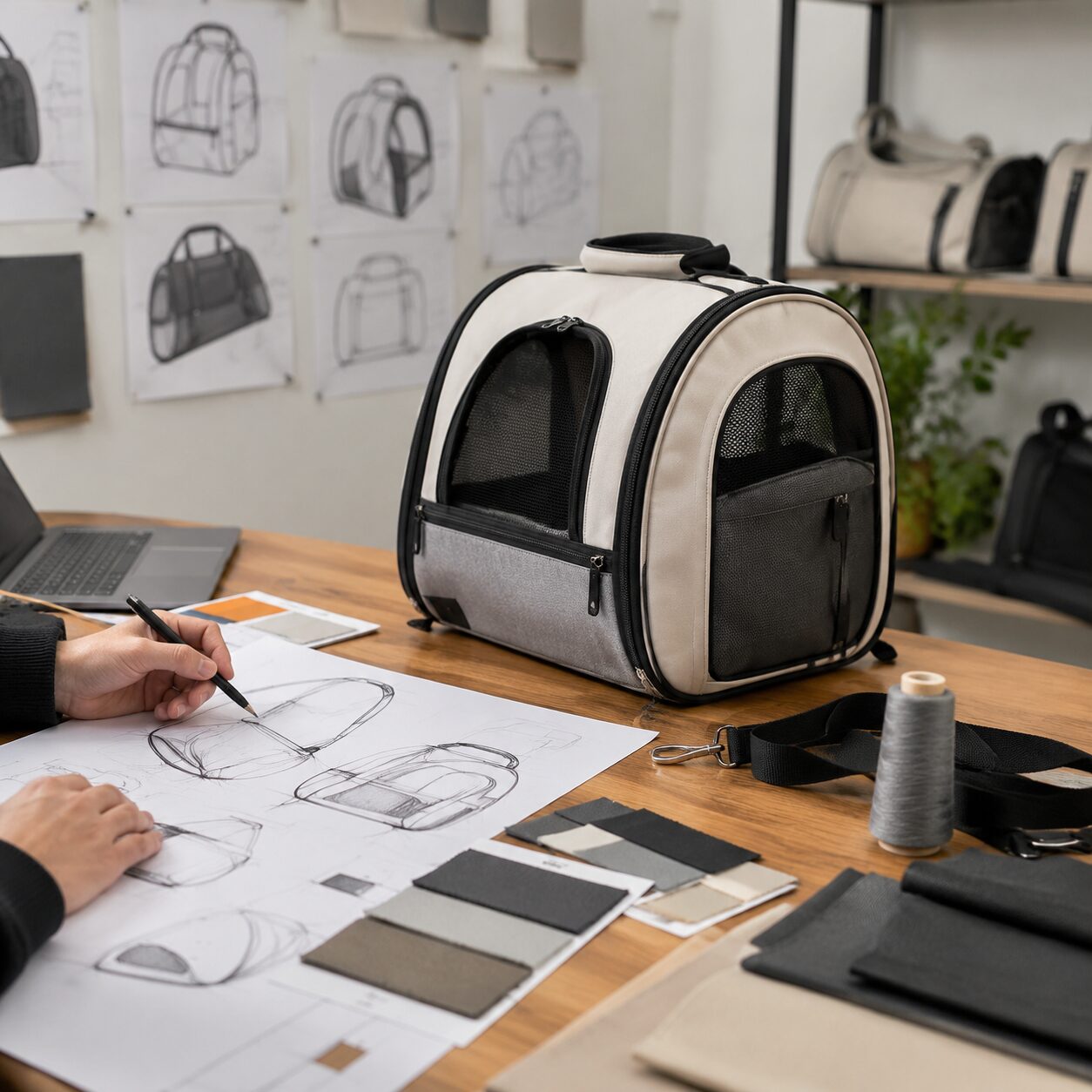
Fusing semi-rigid EVA base frames with flexible mesh domes captures multi-functional market segments seeking balanced stability and softness across various pet carrier product types. Hybrid architecture crushes the old debate in any soft sided vs hard sided pet carrier lineup by welding the rigid, drop-proof base security of a hard crate straight to the pliable, lightweight upper canopy of a luxury tote. Factory lamination rigs heat-fuse molded EVA bottom pans directly into high-tenacity Oxford fabrics, killing off every single compromise by dropping rock-solid structural support right where gravity hits hardest. Rolling out this kind of cross-category engineering is a masterstroke for diversifying your product catalog, keeping your brand completely bulletproof against fickle seasonal trends and shifting retail demands.
- Cross-Category Fusion: Combining EVA base pans with fabric uppers unites rigidity with flexible comfort.
- Structural Stability: Molded bottom frames protect pets from ground shocks while fabric domes maximize airflow.
- Demand Insulation: Offering multiple product categories protects commercial operations from seasonal market fluctuations.
- Comprehensive Portfolio: Catalog expansion includes rolling packs, expandable totes, and rigid display crates.
6. Engineering Excellence: Identifying the Best Pet Carrier Structure for Global Markets
Evaluating zipper burst resistance, corner webbing tensile strength, and structural memory retention over thousands of use cycles ensures commercial durability when sourcing the best pet carrier structure. Quality control laboratories subject finished soft-goods to extreme mechanical pull-testing and dynamic weight drop simulations. Sourcing high-tenacity nylon threads and welded D-ring anchor plates prevents catastrophic structural failure under heavy animal loads. Rigorous stress testing verifies that manufactured transit gear withstands the demanding physical realities of international travel. Elite manufacturing protocols establish a brand as a trusted authority in functional pet travel gear.
| Stress-Testing Parameter | Laboratory Testing Protocol | Minimum Industrial Standard |
| Corner Seam Tensile Load | Dynamic vertical weight drop rig | Withstands 120 Newtons of continuous pulling force |
| Zipper Burst Resistance | Transverse mechanical pull tester | Resists 90 Newtons of lateral tooth separation stress |
| Structural Memory Recovery | Repeated compression-molded flex test | Returns to 100% original shape after 1,000 cycles |
| Webbing Anchorage | High-tension dynamic snap pull | Secures hardware integrity without fabric tearing |
7. Modern Production Infrastructure: Collaborating with Aimazing Bag for Commercial Soft-Goods Manufacturing
Utilizing ultrasonic and high-frequency bonding eliminates needle-hole thermal leaks across specialized structural lines during high-volume production of any engineered soft sided vs hard sided pet carrier. Traditional sewing needles puncture barrier laminates, creating micro-gaps that compromise waterproof tray integrity and structural seams. High-frequency RF welding melts adjacent thermoplastic substrates together to form continuous, hermetic barrier joints. Factory technical engineers calibrate welding frequency and pressure parameters to guarantee absolute product reliability. Independent supply chain auditing tracks raw material origins from initial polymer extrusion to final textile lamination to protect corporate reputation. Transitioning smoothly from low-volume engineering samples to high-capacity commercial shipping containers guarantees long-term wholesale success for brand partners.