1. The Sampling Trap: Why Approved Samples Can Still Lead to Bulk Disasters
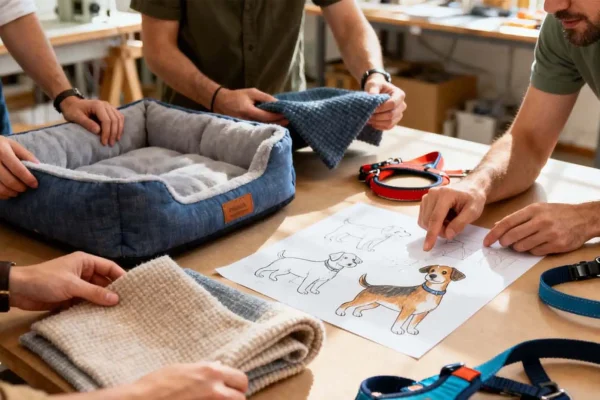
Bulk production failures occur frequently when brand managers mistake hand-crafted prototypes for standardized manufacturing outcomes. Global retail buyers learn that lab-grade prototypes conceal structural vulnerabilities that emerge only during multi-thousand-unit industrial assembly runs. Selecting robust underlying materials guarantees that every manufactured unit withstands prolonged usage without suffering structural deformation. Industrial procurement teams must evaluate core textile engineering before launching any custom pet gear line. Vet specialized pet product manufacturers carefully to prevent costly discrepancies between initial golden samples and final mass-produced inventory. Getting transparent raw material certs means your fabric tensile strengths actually match the lab thresholds without getting watered down by distributors. If you’re teaming up with an OEM partner, pet product manufacturers get total control over heavy-duty webbing strength and production tolerances. Digital tech packs turn into real retail products way faster when engineering teams can hash out changes without getting bogged down in corporate red tape. Plus, true industrial scale lets up-and-coming brands pump up their profit margins while keeping deliveries dead reliable across massive international inventory runs.
| Sourcing Dimension | Traditional Trading Approach | Direct OEM Manufacturer Approach |
| Supply Chain Transparency | Low visibility with multiple intermediaries | Complete oversight from raw material to bulk delivery |
| Cost Efficiency | Higher baseline pricing due to agent markups | Optimized production costs and maximum profit margins |
| Prototyping Agility | Slow sample turnaround with communication gaps | Rapid tech pack execution and direct engineering support |
2. Material Inconsistency: Sourcing and Dye-Lot Variances in Bulk Pet Gear
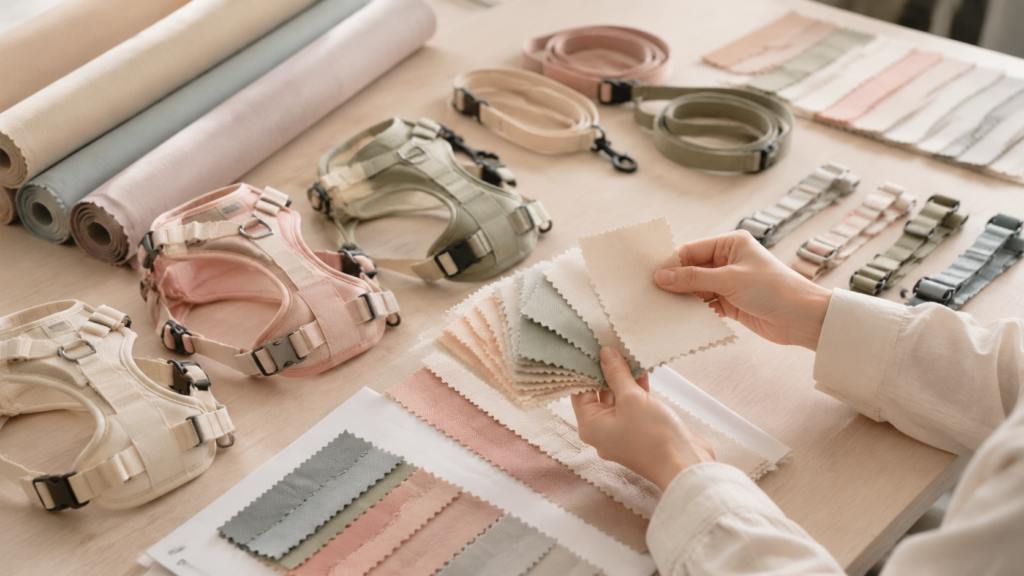
When your textile suppliers drop the ball on dye-lot consistency across big orders, fabric roll variance will totally ruin your finished goods. That’s why top pet product manufacturers rely on factory QC inspectors to constantly check color spectrophotometer data, catching subtle hue shifts between sample swatches and the bulk rolls. Sourcing reliable performance textiles takes serious lab work to verify things like denier weights and waterproof backing thicknesses. Production supervisors will scrap substandard fabric right away to stop aesthetic defects from ruining retail shipments, while industrial lamination presses lock outer synthetics to breathable foam layers without any annoying bubbling. Techs constantly tweak temp controls to lock in the right molecular fusion during shifts. Meanwhile, raw material managers track lot numbers down to the source if performance dips, and supply chain coords keep buffer stocks of certified hardware so pet product manufacturers never hit assembly bottlenecks.
- Spectrophotometer testing verifies that bulk textile rolls match approved sample color thresholds precisely.
- Denier weight verification ensures exterior structural panels resist tearing under heavy pet cargo loads.
- Strict lot tracking systems prevent substandard synthetic fabrics from entering commercial sewing assembly floors.
3. Structural Complexity: Scaling Specialized Custom Pet Backpacks
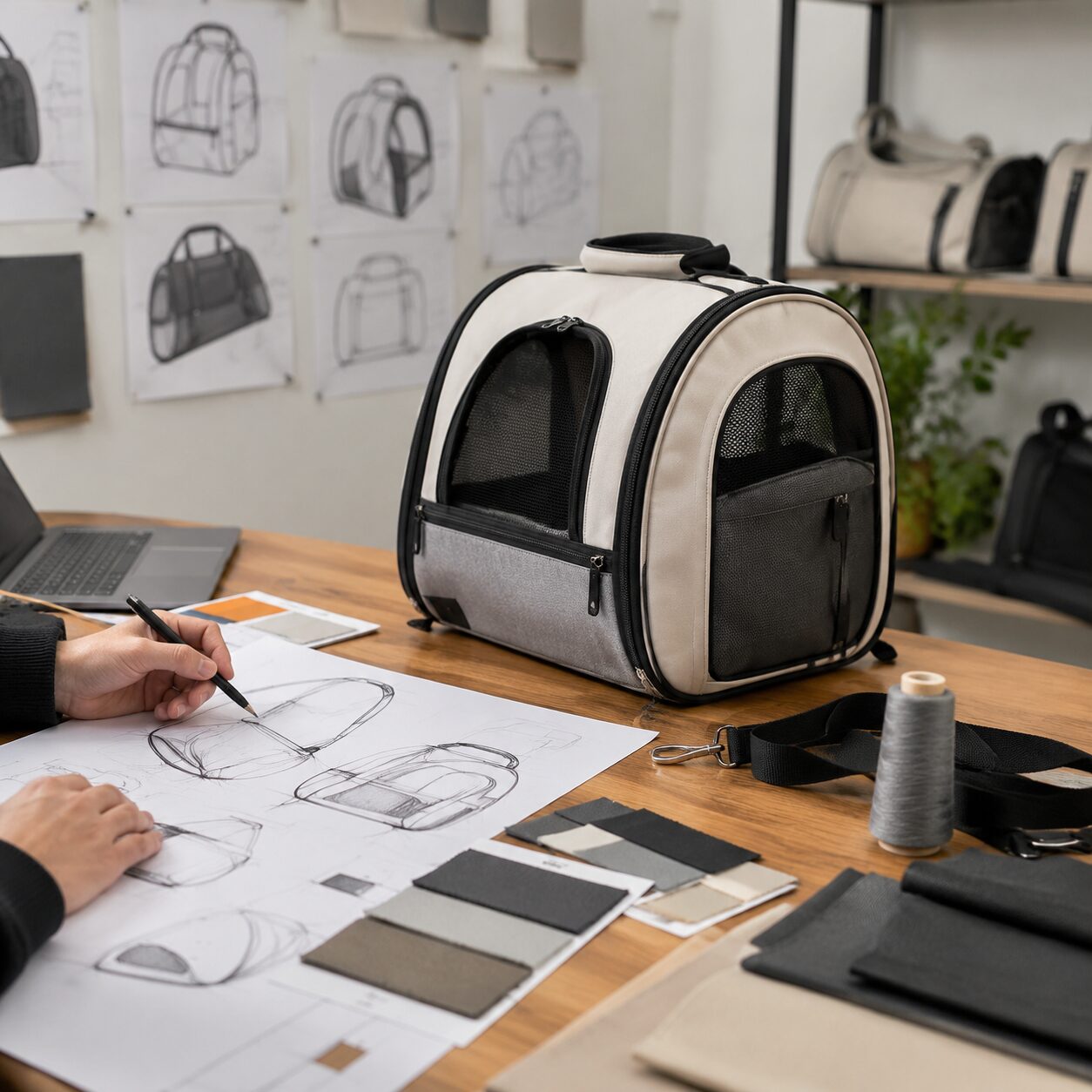
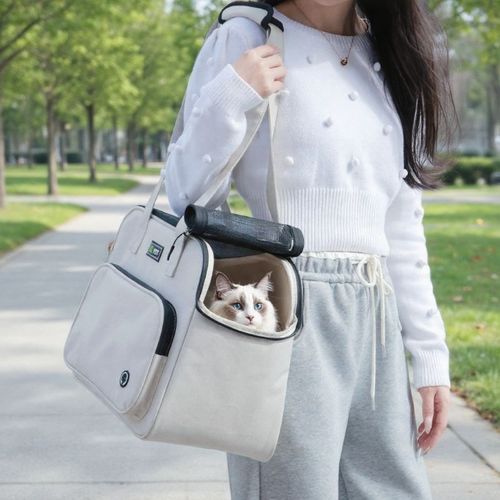
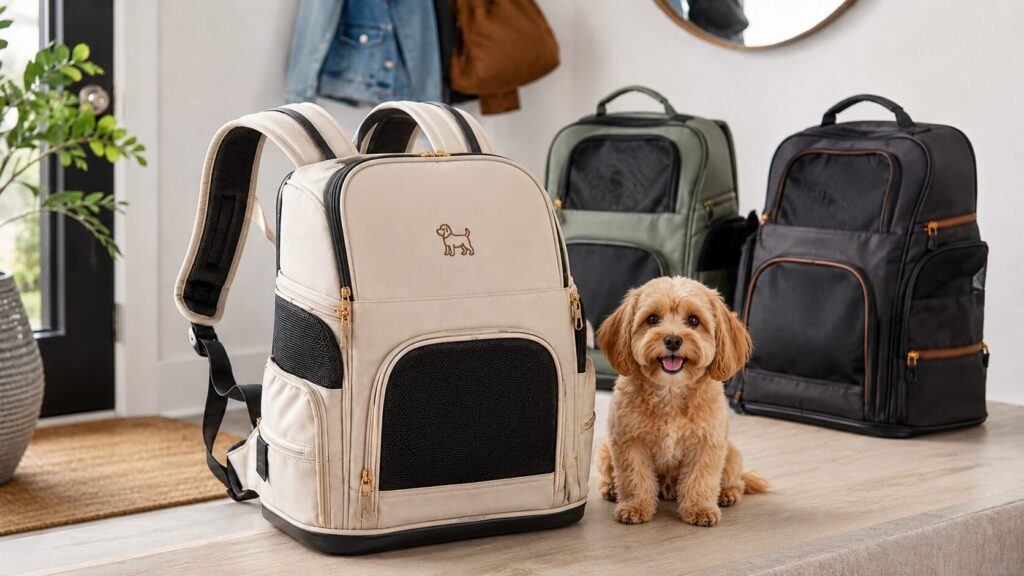
Multi-layered structural execution presents severe mechanical challenges when scaling complex functional pet carrier designs on factory assembly lines. Balancing breathable sandwich mesh panels, high-density foam padding, and structural ventilation vents requires absolute cutting precision. Sourcing an advanced custom pet backpack collection demands specialized automated cutting tables to eliminate human dimensional errors. Factory production supervisors deploy computerized template guidance to maintain uniform seam allowances across thousands of manufactured units. QC inspectors test zipper alignment and mesh tear resistance against strict mechanical tolerances. Automated sewing stations reinforce stress points so pet product manufacturers can handle heavy pulling without ripping. Supervisors run drop tests on cartons to ensure outer boxes protect the gear during shipping.
- Automated multi-axis cutting tables ensure absolute dimensional uniformity across complex pet carrier panel components.
- Computerized sewing templates maintain identical stitch density across thousands of commercial backpack production units.
- Reinforced structural bar-tack stitching secures heavy load-bearing anchor points against pet movement stress.
4. Personalization Bottlenecks: Embroidery and Printing Flaws in Mass Production
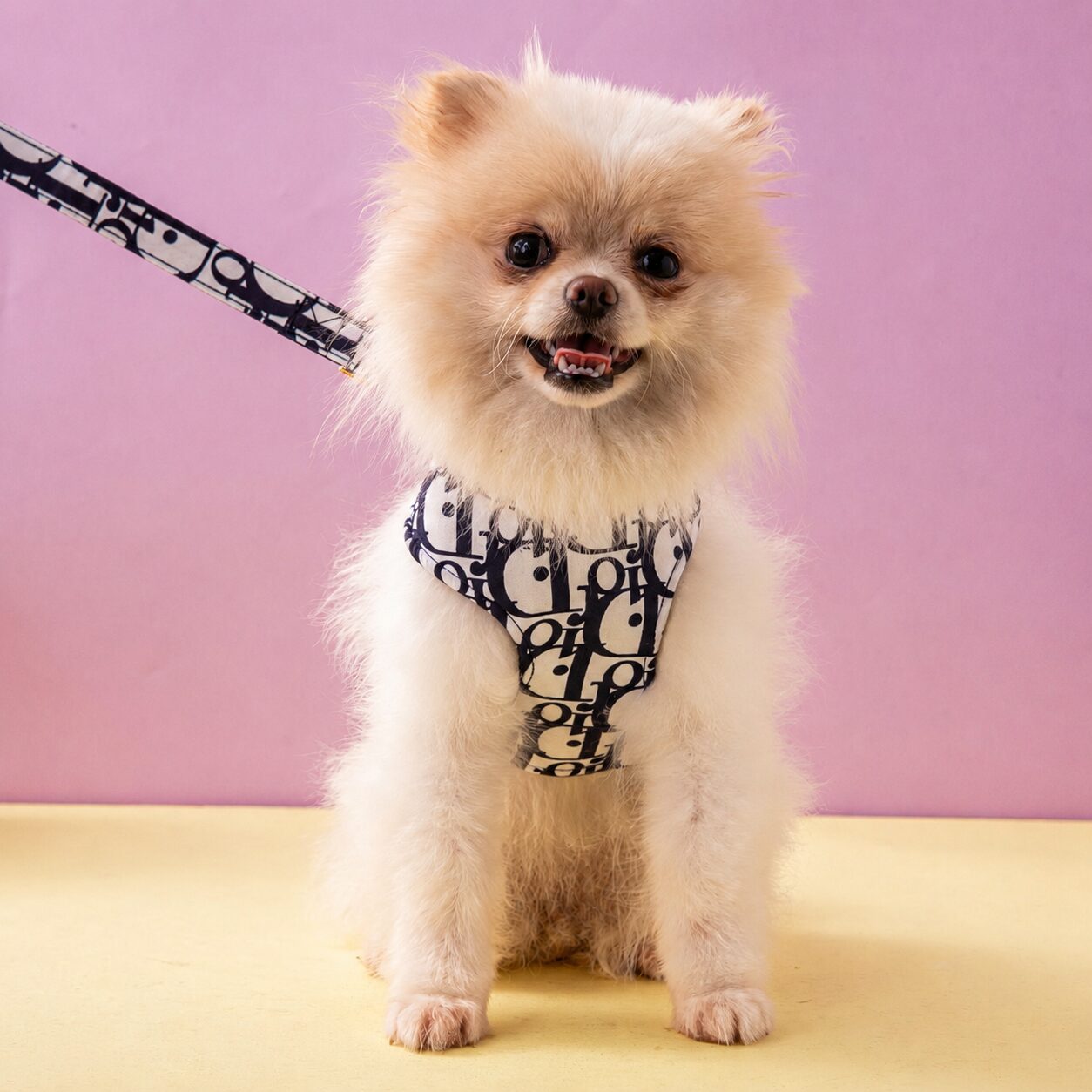
High-speed multi-head embroidery machines stretch and warp functional fabrics if operator tension settings remain unadjusted during production runs. Inspecting logo alignment, thread tension, and heat-transfer durability across every unit prevents embarrassing brand defect deliveries. Crafting a flawless personalized dog backpack requires specialized heavy-duty backing support to prevent puckering under continuous mechanical stress. Factory technicians calibrate embroidery frame clamps continuously to eliminate fabric slippage during high-density stitch execution. Quality control inspectors check logo color consistency against pantone color swatches under standardized daylight illumination booths. Digital printing supervisors monitor ink curing temperatures strictly to prevent peeling or cracking over extended washing cycles. Retail partners rely on these stringent personalization protocols to maintain luxury brand prestige in competitive markets.
- High-density digital embroidery requires specialized backing support to prevent fabric puckering during high-speed stitching.
- Pantone color matching verification ensures custom brand logos remain consistent across bulk production batches.
- Specialized ink curing parameters guarantee that customized graphic prints withstand frequent washing and weathering.
5. Floor Realities: Working with a True Pet Products Factory
Factory line worker experience dictates whether complex structural assembly errors get caught before mass cutting begins on the production floor. Partnering directly with a dedicated pet products factory streamlines engineering communication and eliminates costly middleman translation mistakes. Experienced line supervisors catch assembly alignment discrepancies instantly that automated optical machinery frequently overlooks during high-speed manufacturing. Direct engineering collaboration ensures that technical specification modifications apply uniformly across all active production sewing lines. Sourcing directly from an established manufacturing facility guarantees absolute transparency regarding daily output capacities and quality gate metrics. Production managers conduct daily stand-up meetings to review defect logs and implement immediate corrective workflow adjustments. Brand directors appreciate this hands-on manufacturing approach when developing intricate functional pet accessory collections.
- Experienced factory supervisors identify structural assembly errors manually before mass sewing operations begin.
- Direct engineering collaboration eliminates communication delays and accelerates technical specification modifications significantly.
- Transparent daily output tracking ensures bulk production schedules align with strict retail launch deadlines.
6. Supply Chain Stability: Vet Your Dog Product Suppliers Before Signing a PO
Establishing rigorous pre-shipment testing protocols protects retail brands from catastrophic product recalls and expensive warranty claims. Vet your dog product suppliers thoroughly by reviewing historical defect rates, factory audit reports, and material test certifications. Multi-stage stress testing evaluates buckle tensile strength, strap pull resistance, and load-bearing seam durability under maximum capacity limits. Transparent production tracking software allows brand directors to monitor manufacturing milestones in real time from anywhere worldwide. Clear defect-rate tolerances establish legal accountability and protect profit margins against substandard bulk delivery batches. Supply chain coordinators verify that packaging materials meet international drop-test standards before cargo departs export docks.
- Multi-stage stress testing evaluates structural pull-point strength and buckle resilience under heavy weight.
- Transparent production tracking software provides real-time visibility into active manufacturing milestone completions.
- Defined defect-rate tolerances protect brand profit margins and establish clear manufacturing accountability standards.
7. The Aimazing Advantage: Engineering Excellence in Pet Gear Manufacturing
Aimazing Bag delivers robust manufacturing support for global pet accessory brands worldwide. As an established direct factory partner we combine advanced textile lamination and strict quality control protocols to ensure every production batch meets international standards. Contact our dedicated engineering team today to review technical specifications and schedule your commercial production.