Selling a harness and leash together sounds simple, but getting them to look and feel like an actual set is where most brands stumble. If the webbing colors don’t match, the metal hardware finishes look completely different, or the harness snaps under a hard pull, your customers notice immediately. Building a winning pet set comes down to factory-floor basics: locking in exact Pantone color matches, using the same durable metal plating across all parts, getting your sizing right, and putting the gear through real tensile pull tests so it doesn’t snap on the sidewalk. Below, we break down how to develop a custom harness and leash set that looks premium, holds up in the field, and sells without inventory headaches
1. Collection Architecture: Why Developing a Custom Dog Harness and Leash Set Drives High-Margin Retail Growth
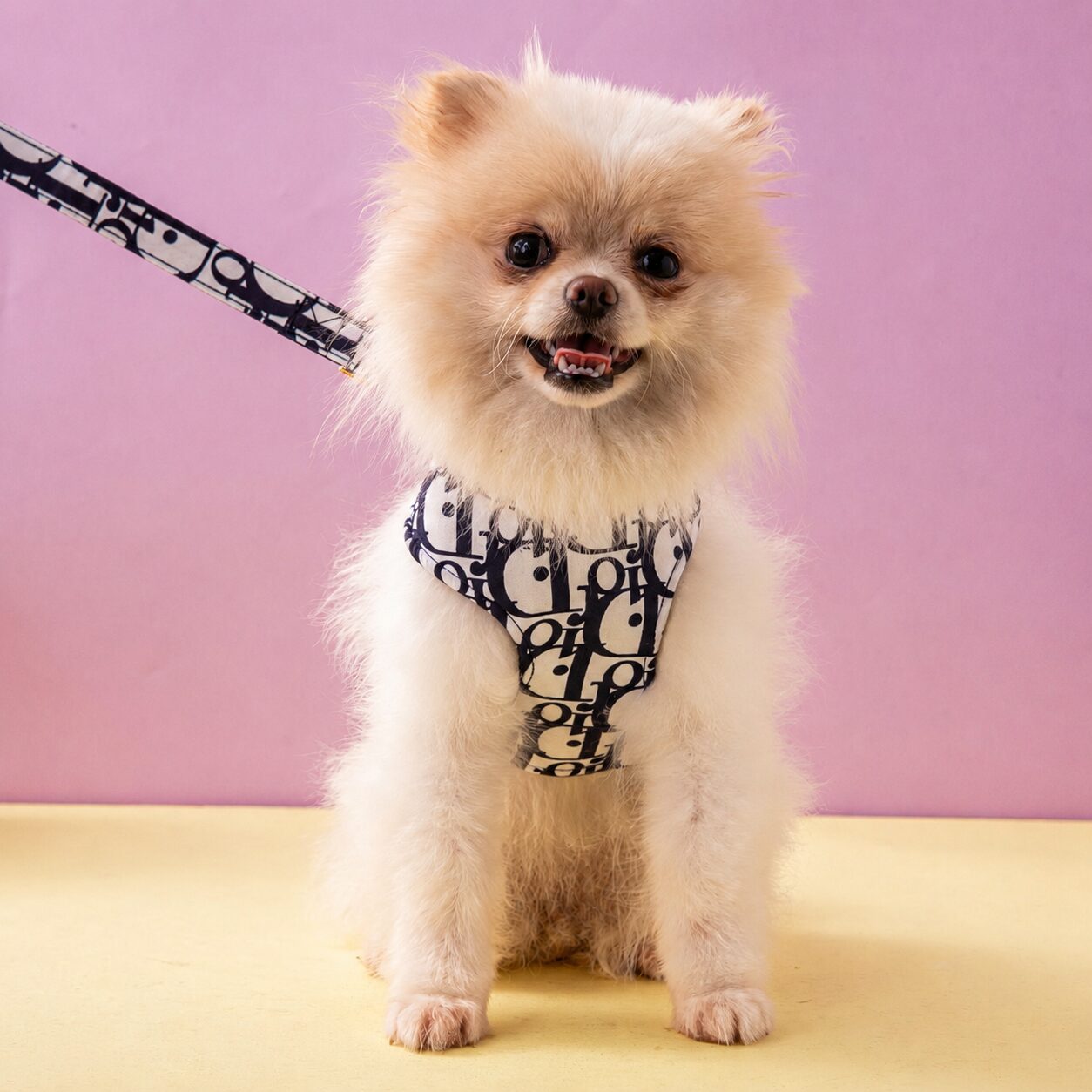
Developing a custom dog harness and leash set drives high-margin retail growth by transforming fragmented single accessories into high-value curated bundles that satisfy consumer demand for cohesive products, while sourcing director teams also evaluate popular matching dog harness and leash options. Retail data indicates that pet owners prefer purchasing matched accessory kits over mismatched individual components because bundled presentations elevate perceived value and simplify purchasing decisions. Modern original equipment manufacturers engineer these synchronized collections to deliver superior aesthetic harmony across every included component, maximizing brand sell-through rates globally.
- Consumer Preference Shift: Pet owners increasingly demand coordinated aesthetic packages over mismatched single-item purchases for everyday walks.
- Perceived Retail Value: Curated bundles allow brands to command higher price points and superior profit margins compared to standalone SKUs.
- Brand Cohesion: Unified collection architecture establishes a distinct visual identity that reinforces brand loyalty across retail channels.
2. Aesthetic Synchronization: Engineering a Matching Dog Harness and Leash Portfolio
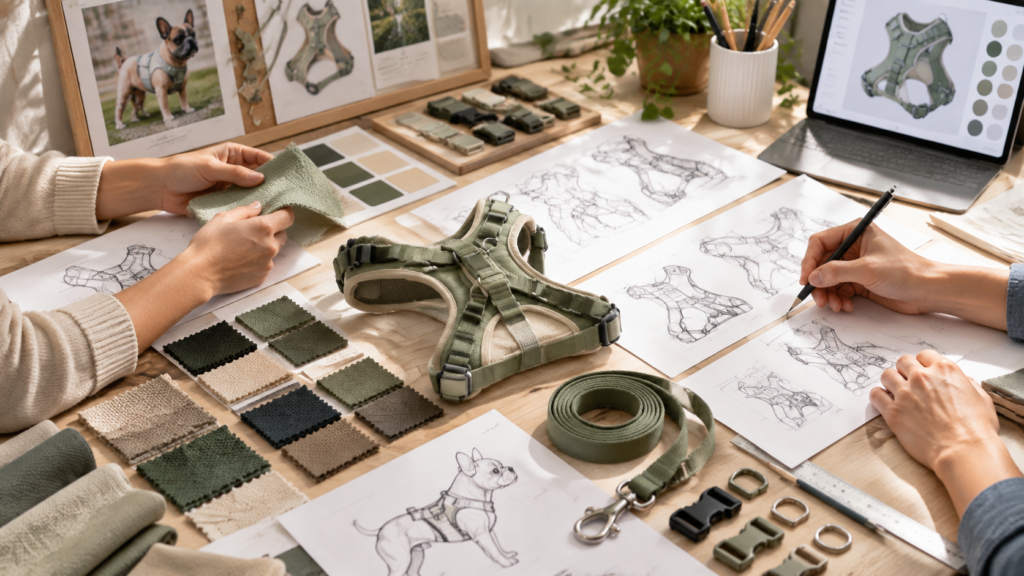
Creating a matching dog harness and leash. Leash portfolio demands precise Pantone color matching and uniform webbing dye-lots across all parts of the multi-component kits. This helps avoid small shade differences that can stand out. Factory technicians design each set to be personalized ensuring every piece fits together perfectly. Before weaving begins spectrophotometric analysis checks synthetic yarns to confirm they meet exact chromatic standards. This scientific process makes sure the harnesses and leashes look identical when displayed side, by side on shelves.
- Spectrophotometric Verification: Advanced optical color scanners confirm raw yarn batches adhere strictly to designated Pantone color specifications.
- Batch Consistency: Synchronized dyeing schedules ensure harness straps and leash webbings share identical thermal immersion histories.
- Visual Harmony: Precise color control prevents unsightly shade mismatches between chest plates and connecting leads.
3. Personalization and Identity: Manufacturing a Personalized Harness Leash Set
Manufacturing a personalized harness leash set involves structuring efficient factory workflows to integrate custom embroidery, rubber patches, and variable-name tagging matrices, while production teams frequently pair these items with a custom pet walking set. Advanced computerized embroidery machines stitch intricate owner names or contact details directly into high-density nylon webbings without compromising core fiber integrity. This customized detailing appeals directly to pet owners seeking unique identity solutions.
| Customization Tier | Technical Specification | Operational Durability Function |
| Computerized Embroidery | Multi-head digital stitching heads | Executes variable text and monograms with absolute stitch-count accuracy. |
| Modular Rubber Patches | High-frequency molded PVC badges | Attaches securely via heavy-duty hook-and-loop or direct edge-stitching. |
| Variable-Data Workflows | Streamlined factory programming | Manages custom name sequences efficiently during large-scale production runs. |
4. Turnkey Walking Solutions: Sourcing a Custom Pet Walking Set
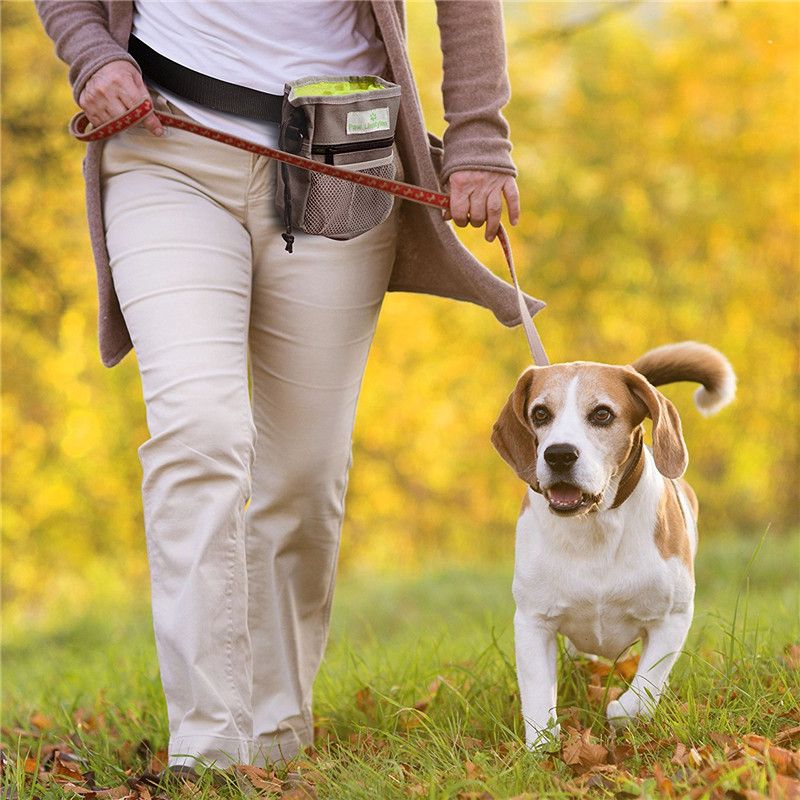
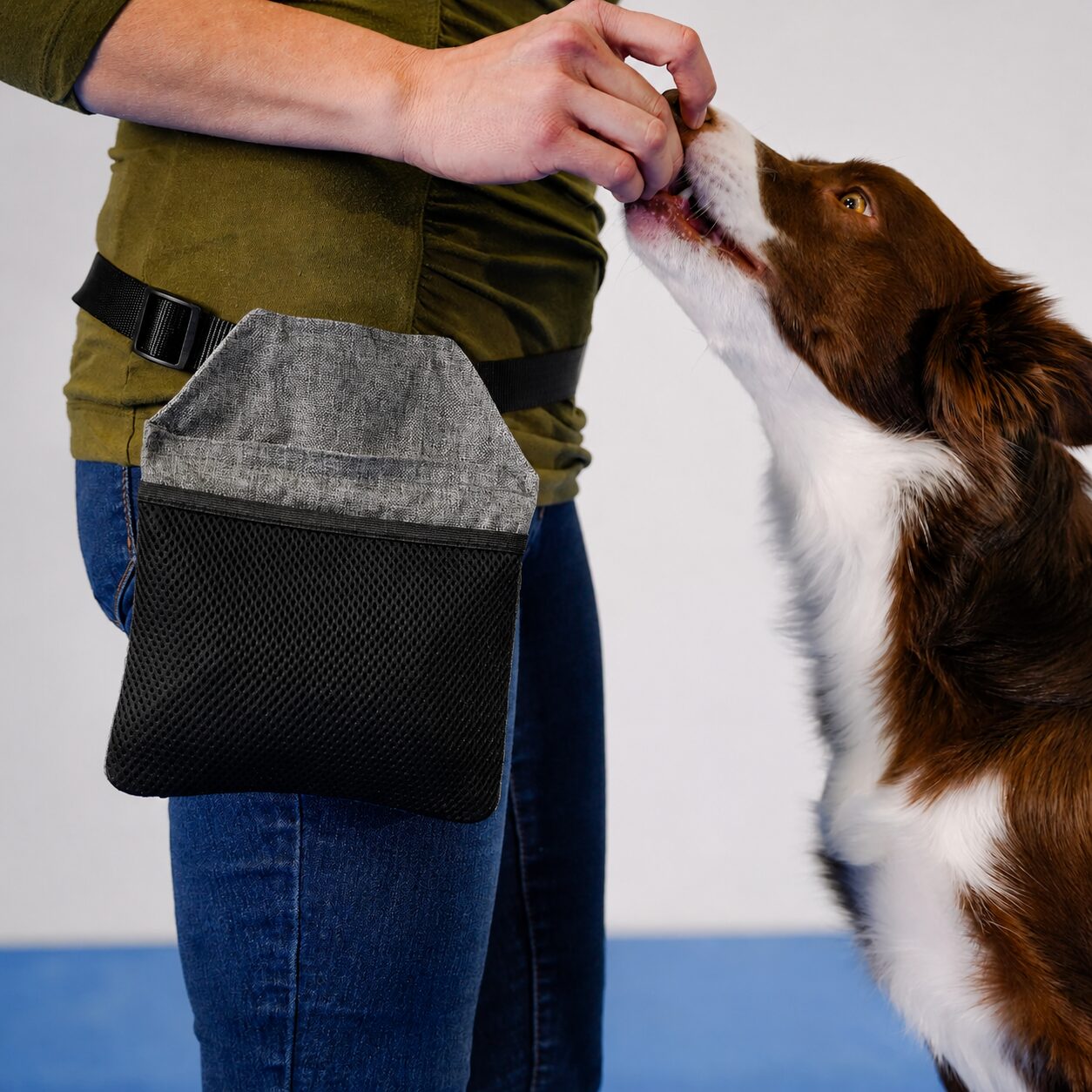
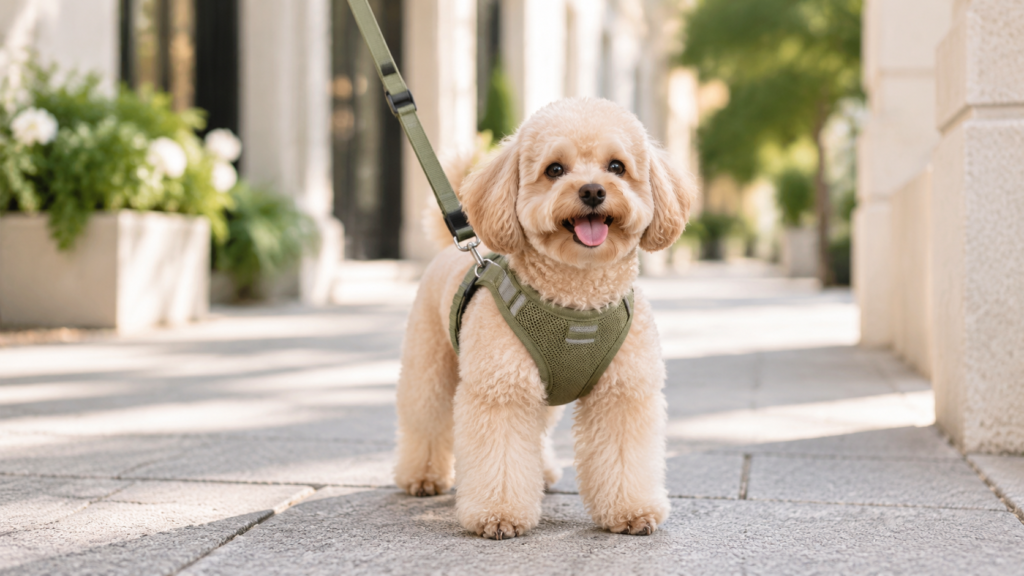
Sourcing a custom pet walking set demands a unified functional ecosystem combining ergonomic chest support, control leashes, and integrated waste pouch attachments, with bulk inventory managers concurrently organizing large dog harness leash wholesale batches. Sourcing teams design modular accessory rings and attachment loops that allow pet owners to clip treat bags or utility pouches directly onto the primary leash handle or harness D-ring. This all-in-one functionality elevates everyday pet walking convenience.
- Modular Accessory Integration: Built-in D-rings and elastic loops accommodate waste bag dispensers and portable collapsible bowls effortlessly.
- Ergonomic Control Features: Traffic control handles positioned near the leash snap hook provide immediate restraint in crowded urban environments.
- Multi-Functional Utility: Bundled walking kits offer complete functional interoperability straight out of the retail box.
5. B2B Scalability: Navigating Dog Harness Leash Wholesale and Bulk Production Tiers
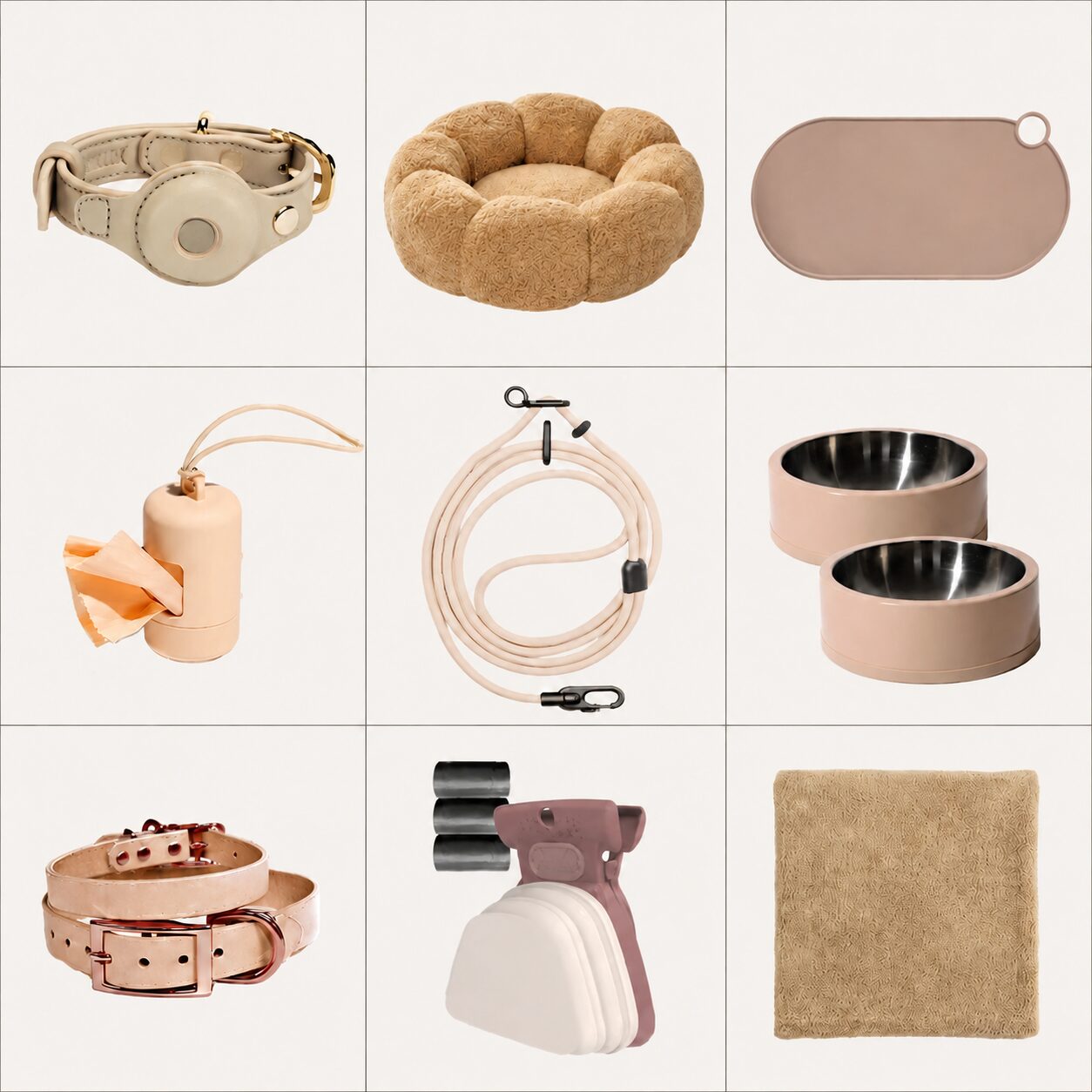
Executing dog harness leash wholesale orders requires decoding minimum order quantities, component sharing strategies, and multi-SKU tier pricing to optimize unit costs across paired accessory roll-sizing, while manufacturing partners simultaneously curate trending coordinated pet accessories. Sourcing directors utilize standardized webbing widths and modular hardware across multiple colorways to lower individual SKU production thresholds. Strategic material pooling maximizes manufacturing efficiency and enhances wholesale profitability.
- Component Pooling Efficiency: Standardized webbing widths across diverse color palettes lower raw material minimum order thresholds significantly.
- Multi-SKU Tier Pricing: Structured volume discounts reward large container orders with reduced unit manufacturing costs.
- Inventory Risk Reduction: Modular component sharing allows distributors to test new color trends with minimal financial exposure.
6. Rigorous Quality Control and Tensile Testing Standards for Bundled Gear
Executing synchronized destructive pull-force evaluations on connected harness and leash anchors ensures both components meet certified breaking strengths under aggressive canine pulling forces during commercial custom dog harness and leash production runs, supported by rigorous pre-shipment colorfastness audits. Sourcing laboratories mount fully assembled harness-and-leash kits onto automated hydraulic test rigs to simulate extreme tractive loads. Rigorous mechanical assays eliminate product liability risks before global distribution.
- Simulated Tractive Stress: Automated hydraulic test rigs evaluate connected harness and leash assemblies simultaneously under maximum rated loads.
- Anchor Point Verification: Pull-force meters measure stitch integrity at primary D-ring and snap-hook connection junctions.
- Liability Mitigation: Destructive testing protocols guarantee zero-defect performance during aggressive real-world canine pulling incidents.
7. Sourcing Strategies and Customization Frameworks for Brand Growth
Establishing clear digital tech packs detailing exact dimensions, hardware grades, and color codes eliminates costly sample iterations and ensures absolute batch consistency across global manufacturing runs for any custom dog harness and leash collection, while partnering directly with Aimazing Bag guarantees reliable supply chain execution. Sourcing partners collaborate directly with manufacturing specialists to produce comprehensive vector blueprints that guide automated cutting and assembly workflows. Precise technical documentation accelerates time-to-market by outlining exact specifications and material grades.