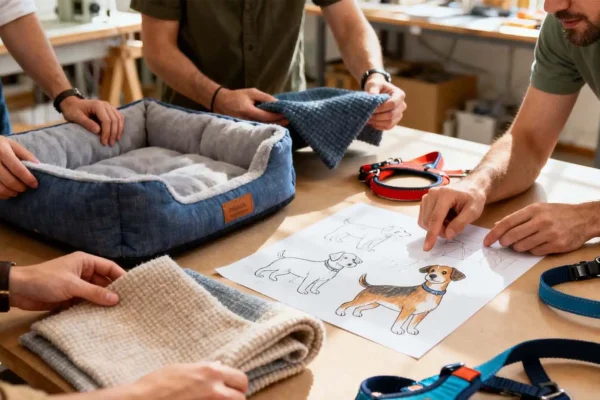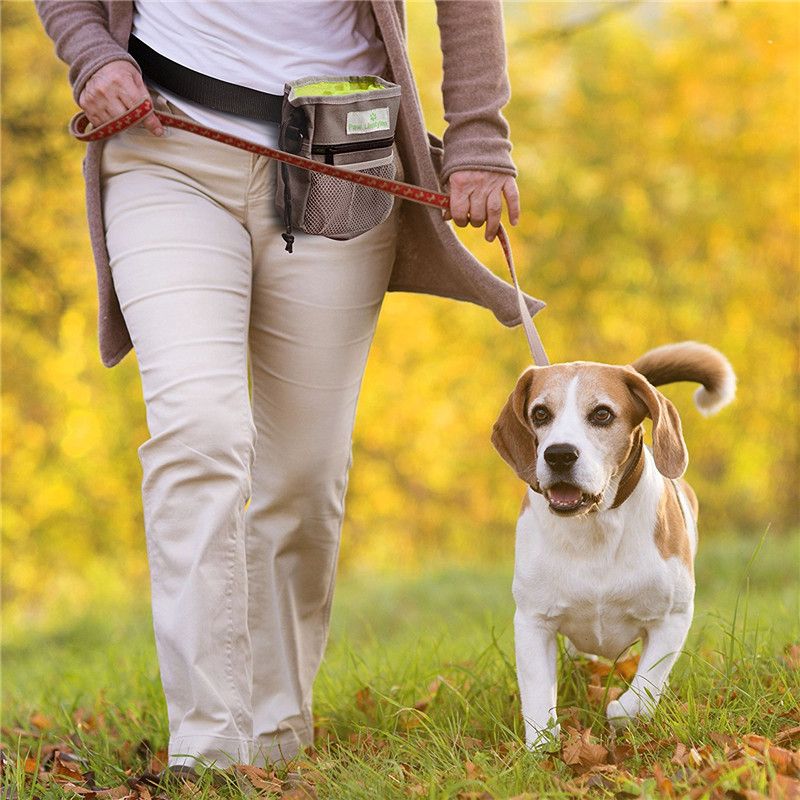
Two dog harnesses can look nearly identical in a product catalog, yet perform very differently after months of everyday use. One may retain its shape and keep the dog comfortable, while the other develops loose straps, rough edges, or weakened attachment points.
For pet brands, wholesalers, and distributors, those differences affect more than customer satisfaction. They influence product returns, retail margins, inventory planning, and long-term brand reputation.
Choosing the right manufacturing partner involves looking beyond foam thickness and unit price. Material construction, load-bearing components, fit, compliance requirements, and production consistency all deserve attention before a bulk order is approved.
This guide explains what commercial buyers should specify, which manufacturing trade-offs matter, and how to evaluate an OEM/ODM partner for a reliable, scalable pet harness collection.
1. The Engineering Advantages of Partnering with a Neoprene Dog Harness Manufacturer
Soft padding may be the most visible feature of a harness, but it is not necessarily the component responsible for its strength. In most commercial designs, neoprene or a related foam material provides cushioning, while webbing, stitching, and hardware form the load-bearing structure.
A common sourcing mistake is judging quality mainly by how thick or soft the padding feels. Excessively thick foam can add unnecessary weight, trap heat, or interfere with the dog’s movement. Thin padding may be more appropriate for lightweight walking designs, provided the structure and contact points are properly engineered.
Experienced OEM developers evaluate these components as a complete system rather than selecting materials independently.
Three engineering priorities deserve particular attention:
- Load distribution: Structural straps and leash attachments should transfer pulling forces through reinforced areas instead of relying on foam alone.
- Fit and mobility: Chest panels, neck openings, and adjustment points should accommodate natural shoulder movement without excessive rubbing.
- Shape retention: Foam, backing fabrics, and webbing should maintain their intended dimensions during normal wear and repeated use.
For buyers comparing factories, the meaningful question is not simply whether a supplier offers neoprene. It is whether the factory can explain why a particular construction suits the intended dog size, activity level, and retail market.
Aimazing Bag supports material selection, structural customization, and product development through its OEM/ODM pet harness manufacturing service, helping brands move beyond standard catalog designs.
2. Material Structure and Ergonomic Comfort: Developing a Custom Neoprene Dog Harness
A well-designed harness combines materials with different responsibilities. The soft body panels improve comfort, while reinforced straps and secure hardware provide structural support.
For a custom neoprene dog harness, buyers should specify more than a nominal foam thickness. Material density, compression recovery, lamination quality, lining texture, and the complete attachment structure can all influence performance.
Different manufacturers may offer chloroprene rubber (CR), styrene-butadiene rubber (SBR), or blended foam constructions under broadly similar product descriptions. These options can differ in flexibility, weather resistance, cost, and durability.
Recommended Material Specification Checklist
| Component | Common Options | What Buyers Should Check |
|---|---|---|
| Outer fabric | Polyester, printed fabric | Color consistency, abrasion resistance |
| Padding core | Neoprene, SBR or blended foam | Thickness, density, compression recovery |
| Structural webbing | Nylon or polyester | Tensile strength, width, dimensional stability |
| Inner lining | Soft mesh, air mesh | Surface friction, breathability, drying behavior |
| Edge binding | Polyester or soft knitted binding | Smoothness, stretch, seam consistency |
| Hardware | POM buckles, metal D-rings | Strength, corrosion resistance, fit with webbing |
Material combinations also need to match the intended product.
For example, a lightweight walking harness for small dogs may benefit from flexible panels and reduced bulk. A more substantial outdoor design may require wider webbing, different buckles, and additional reinforcement.
Neither design is automatically better. The specifications should reflect the actual use case.
Aimazing can help buyers review material and construction options before sampling. Brands developing different price tiers can also compare our guide to custom dog harness materials for daily wear.
3. Material Compliance and Quality: Selecting a Reliable Manufacturing Partner
Before appointing a neoprene dog harness manufacturer, sourcing teams should establish which material documents and test reports are required for their destination market.
A supplier’s general statement that a product is safe is not a substitute for relevant documentation. Buyers should identify the chemical, physical, and labeling requirements applicable to their finished products.
For EU distribution, REACH requirements may apply to restricted substances and substances of very high concern. Buyers should request supporting information appropriate to the material and intended market.
OEKO-TEX STANDARD 100 can provide additional evidence that certified textile materials have been tested for specified harmful substances. However, it is a voluntary certification system, not a universal legal requirement for dog harnesses.
What Should a Buyer Request?
| Inspection Area | Recommended Verification |
|---|---|
| Foam composition | Material specification and supplier declaration |
| Chemical requirements | Relevant restricted-substance test reports |
| Padding consistency | Thickness and appearance checks against approved samples |
| Webbing and hardware | Component specifications and agreed strength tests |
| Production quality | Inspection records and approved reference samples |
| Finished product | Dimensions, stitching, assembly and packaging checks |
One important distinction is whether the documentation covers only a material or the complete finished product. A certificate for an individual textile should not automatically be presented as certification of the entire harness.
Aimazing Bag uses a multi-stage inspection approach covering incoming materials, production, final inspection, and shipment preparation. Our quality control process explains how we manage consistency across customized pet product orders.
For overseas brands, this type of systematic inspection provides a clearer basis for supplier evaluation than broad promises of perfect quality.
4. Structural Durability: Managing a Padded Dog Harness OEM Project
The D-ring, webbing connections, and buckle attachment points deserve particular attention during development. When a dog suddenly pulls, the resulting force passes through multiple components, not just the visible leash ring.
In a padded dog harness OEM project, the appropriate reinforcement method depends on webbing width, material construction, attachment geometry, and the expected working loads.
Common techniques include box-X stitching, bar-tack reinforcement, overlapping webbing, and reinforced strap ends.
However, no single stitching pattern guarantees a safe finished product. The complete assembly must be assessed under an agreed test method.
Production checkpoints should include:
- D-ring attachment: Confirm that the leash connection is integrated with the structural webbing.
- Stitching reinforcement: Check stitch placement, thread condition, and consistency at high-stress points.
- Buckle assembly: Verify orientation, closure function, and compatibility with the selected straps.
- Dimensional control: Compare finished products with the approved sample and tolerance requirements.
There is also a commercial difference between inspecting only the appearance of a finished harness and controlling quality throughout production.
A final visual inspection may identify uneven stitching or incorrect colors, but it cannot always reveal a weak internal connection. That is why material approval, in-process checks, and suitable physical testing should be included in the project plan.
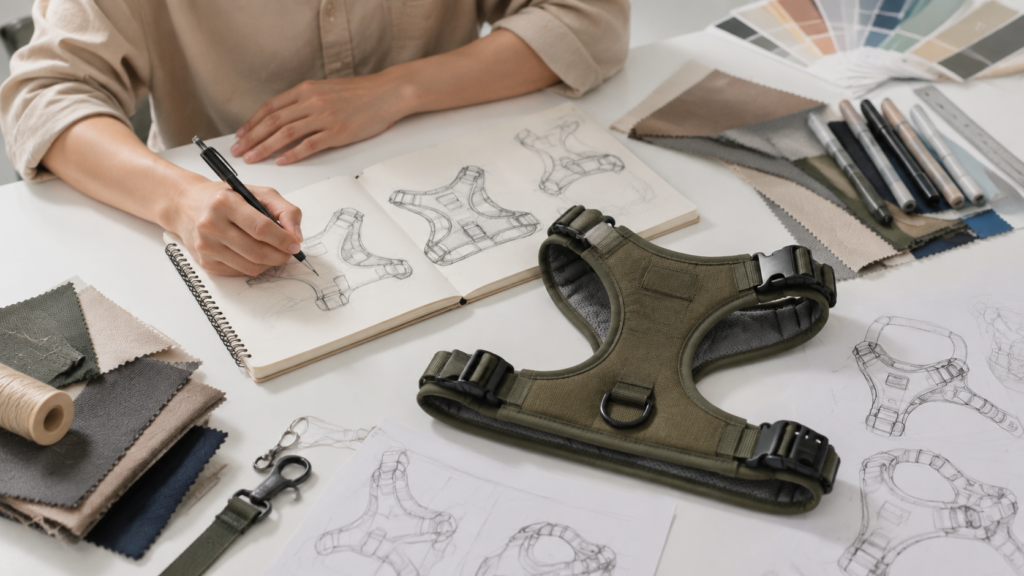
At Aimazing, our OEM/ODM workflow incorporates specification review, sampling, sample approval, bulk production, and quality inspection. Buyers can review these stages through our pet product customization process.
5. Cost Control and Scaling: Planning Neoprene Harness Wholesale Orders
For new pet brands, committing to a large inventory before validating product demand can create unnecessary financial pressure.
In neoprene harness wholesale sourcing, the lowest unit quotation is not always the most economical option. Material waste, custom hardware, packaging complexity, rejected products, and inventory holding costs can all affect the final landed cost.
Comparing Different Order Strategies
| Purchasing Approach | Advantage | Potential Trade-Off |
|---|---|---|
| Standard catalog model | Less development work | Limited differentiation |
| Fully customized small order | More control over branding and fit | Higher unit cost |
| High-volume custom production | Better opportunity for scale efficiencies | Greater inventory commitment |
| Shared components across styles | Reduced component variation | More limited design flexibility |
Aimazing Bag offers a standard MOQ starting from 100 pieces per style/color for suitable custom-branded pet product projects, subject to the design and material requirements.
This can be useful for emerging brands planning an initial product launch, a new collection, or a limited-market test.
Our standard sampling target is 3–5 business days for suitable designs using available materials after specifications are confirmed. More complex constructions, specialized materials, and custom tooling may require additional time.
Buyers should also ask whether several designs can share buckles, webbing widths, lining materials, or packaging components. Standardizing components where appropriate can simplify purchasing and improve consistency without removing the brand’s visual identity.
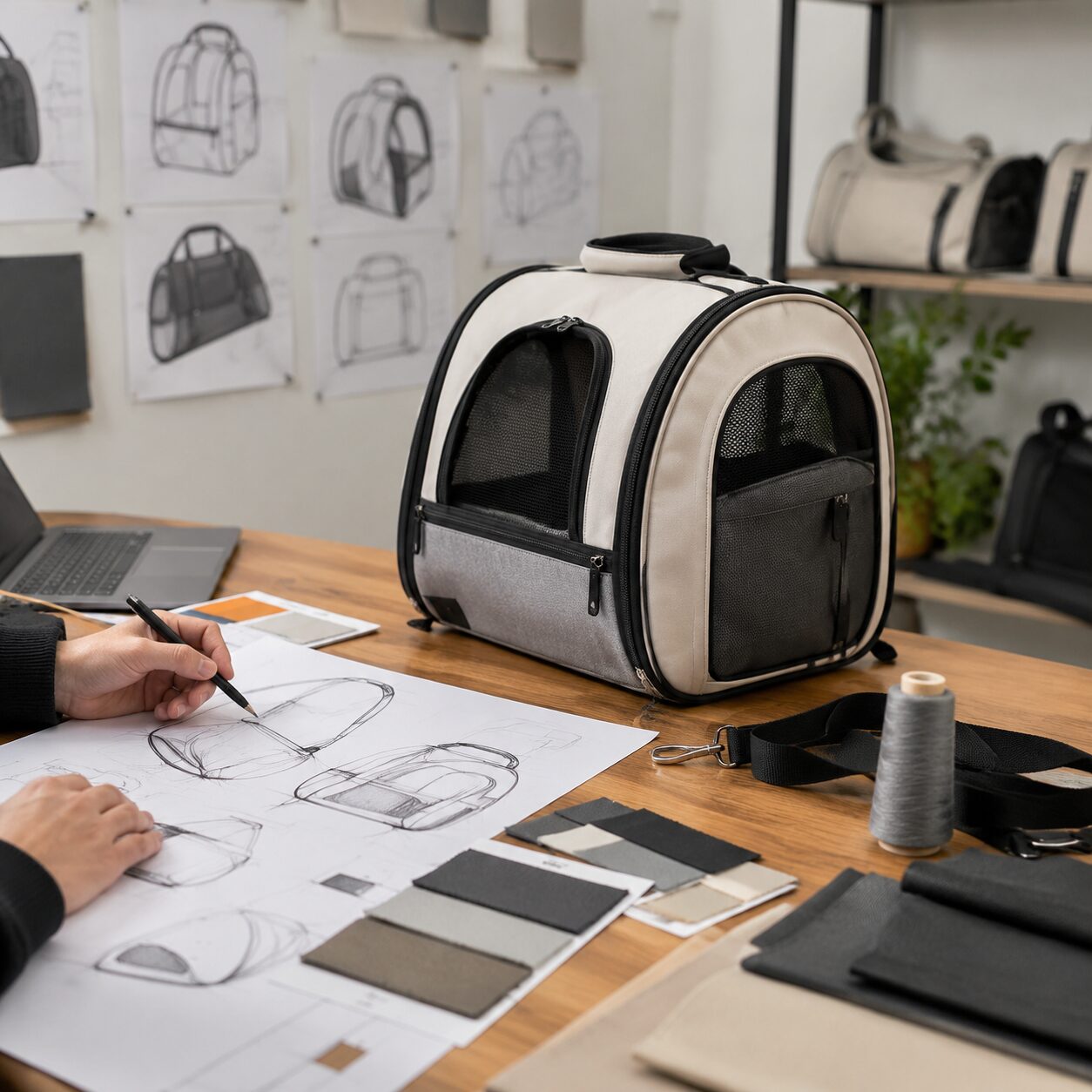
For a closer look at prototype development, read how Aimazing develops custom pet bags in 3–5 days.
6. Breathability and Climate: Engineering a Breathable Neoprene Harness
Comfort and ventilation are not the same thing.
Neoprene foam can provide useful cushioning and flexibility, but a continuous foam panel is not inherently as air-permeable as an open mesh construction. Large padded sections may retain heat, especially in warm or humid environments.
Developing a breathable neoprene harness therefore requires more than adding a soft lining or describing the material as lightweight.
Manufacturers can consider several design approaches:
Perforated foam panels: Carefully positioned openings may improve local airflow, although perforations must not compromise structural connections.
Mesh contact surfaces: Suitable mesh linings can improve moisture movement and the feel of the material against the dog’s body.
Reduced panel coverage: Limiting unnecessary padded coverage may be more effective than adding ventilation holes to an excessively large panel.
Hybrid construction: Combining padded contact areas with open mesh or adjustable webbing can help balance comfort, weight, and ventilation.
Neoprene vs. Mesh: Which Is Better?
| Feature | Neoprene-Padded Design | Mesh-Focused Design |
|---|---|---|
| Cushioning | Often higher | Depends on mesh construction |
| Airflow | Limited through solid foam | Generally better with open mesh |
| Shape and support | Depends on foam and webbing | Depends on reinforcement |
| Product appearance | Smooth, padded finish | Lightweight, sporty appearance |
| Suitable positioning | Comfort and lifestyle collections | Warm-weather and lightweight collections |
For a brand targeting summer dog-walking products, an open mesh or hybrid construction may be more appropriate than a heavily padded vest.
For brands prioritizing a soft, structured appearance, carefully positioned neoprene panels may be preferable.
The final choice should come from physical sample evaluation, intended-use testing, and feedback on fit across the target size range.
7. Why Aimazing Bag Is a Practical OEM/ODM Development Partner
Choosing a neoprene dog harness manufacturer should involve comparing what suppliers can actually deliver rather than relying on claims of superior technology.
Some purchasing models focus on selecting ready-made designs from catalogs. Others provide broader opportunities to modify structure, materials, fit, branding, and packaging.
Aimazing Bag’s positioning is the latter: we work with overseas brands, wholesalers, and retailers as both a manufacturer and a product development partner.
How Our Approach Compares with Basic Catalog Sourcing
| Buyer Requirement | Basic Catalog-Led Sourcing | Aimazing Bag OEM/ODM Approach |
|---|---|---|
| Product development | Primarily existing designs | Custom structures and material review |
| Branding options | Often standard logo placement | Multiple logo, color and packaging options |
| Initial order | Depends on supplier MOQ | From 100 pcs for suitable projects |
| Sampling | Depends on existing model | Typically 3–5 business days for eligible designs |
| Quality management | Varies by supplier | Multi-stage material, production and final checks |
| Product expansion | Often separate purchasing arrangements | Coordinated development of harnesses and related pet accessories |
These differences describe sourcing approaches, not universal limitations of other factories. Capabilities, costs, and delivery commitments should always be confirmed for each supplier and project.
What Brands Gain from Working with Aimazing
Established OEM/ODM experience
Our manufacturing business dates back to 2000, with experience supporting international customers and developing customized functional soft goods.
Flexible development for emerging brands
An initial order starting from 100 pieces can help eligible projects test retail demand without the commitment associated with much larger production runs.
Material and structural customization
Our team can discuss fabric combinations, reinforcement options, logo applications, fit adjustments, and packaging requirements based on your intended product.
Production and quality coordination
Material inspection, production monitoring, finished-product checks, and shipment preparation are managed within our established quality control workflow.
Support beyond a single product
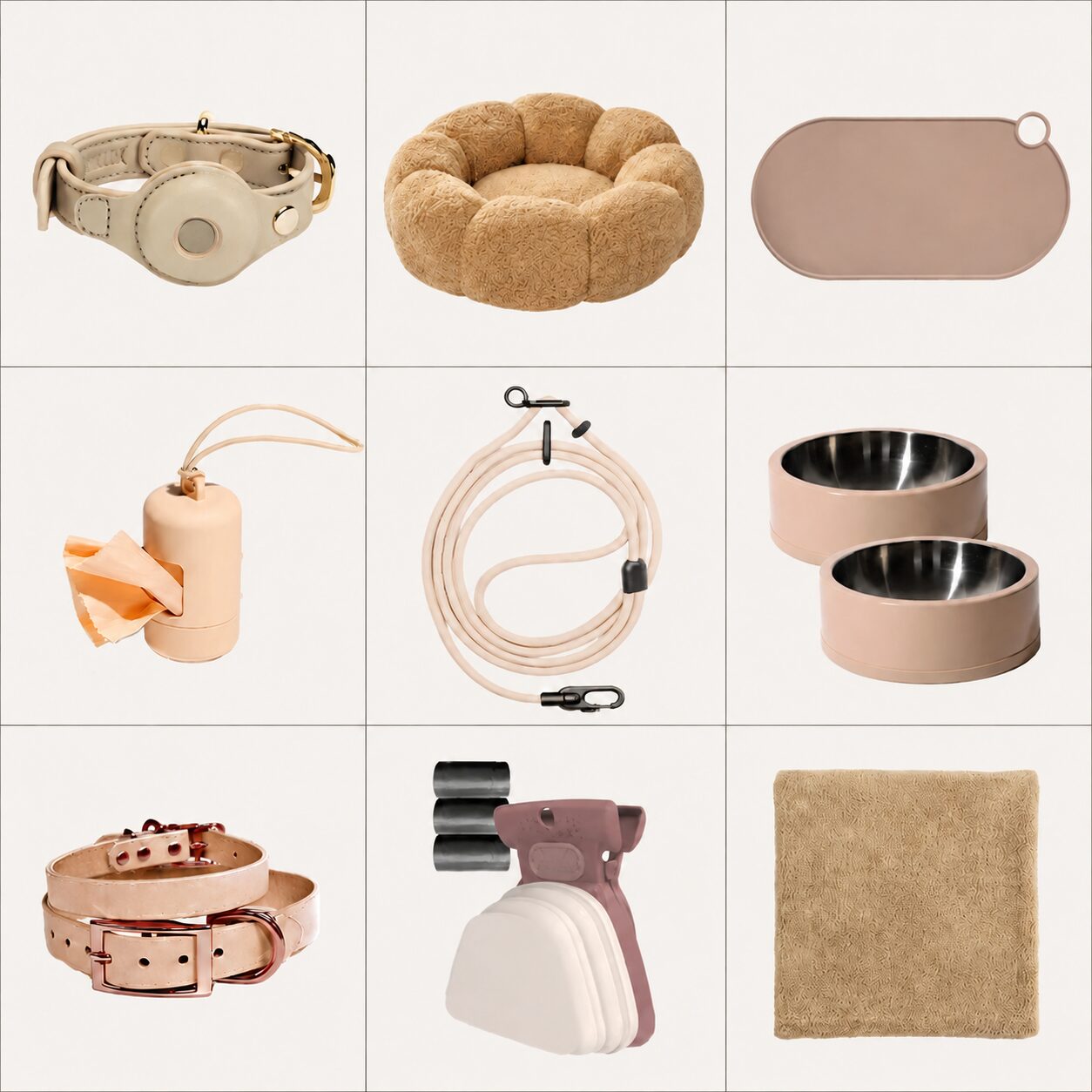
Brands can discuss coordinated pet harness, leash, carrier, and training accessory collections to create a more consistent product range.
The real value of a manufacturing partnership is not the promise that every design will work perfectly on the first attempt. It is having a clear process for identifying problems, improving samples, and reproducing approved specifications during bulk production.
Final Thoughts: Build the Specification Before Comparing Prices
A successful pet harness collection starts with the right questions. What type of dog is the product designed for? Where will it be worn? What materials carry the pulling load? How will the factory verify its performance?
Buyers who settle these details before production are in a stronger position to compare quotations, evaluate samples, and manage product quality.
If you are evaluating a neoprene dog harness manufacturer for your next private-label collection, Aimazing Bag can help review your design concept, intended market, quantity, and customization requirements.
Contact Aimazing Bag to discuss an OEM/ODM project and develop a practical specification before moving into sampling and bulk production.