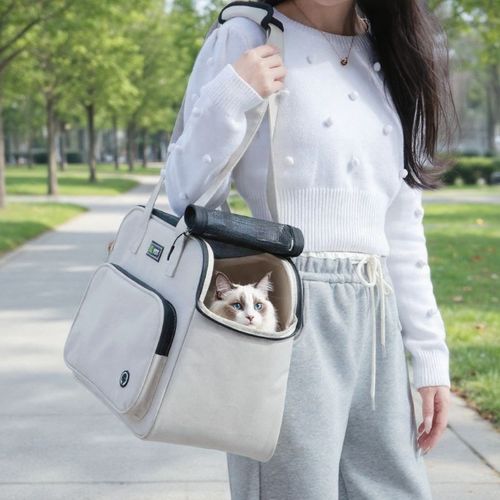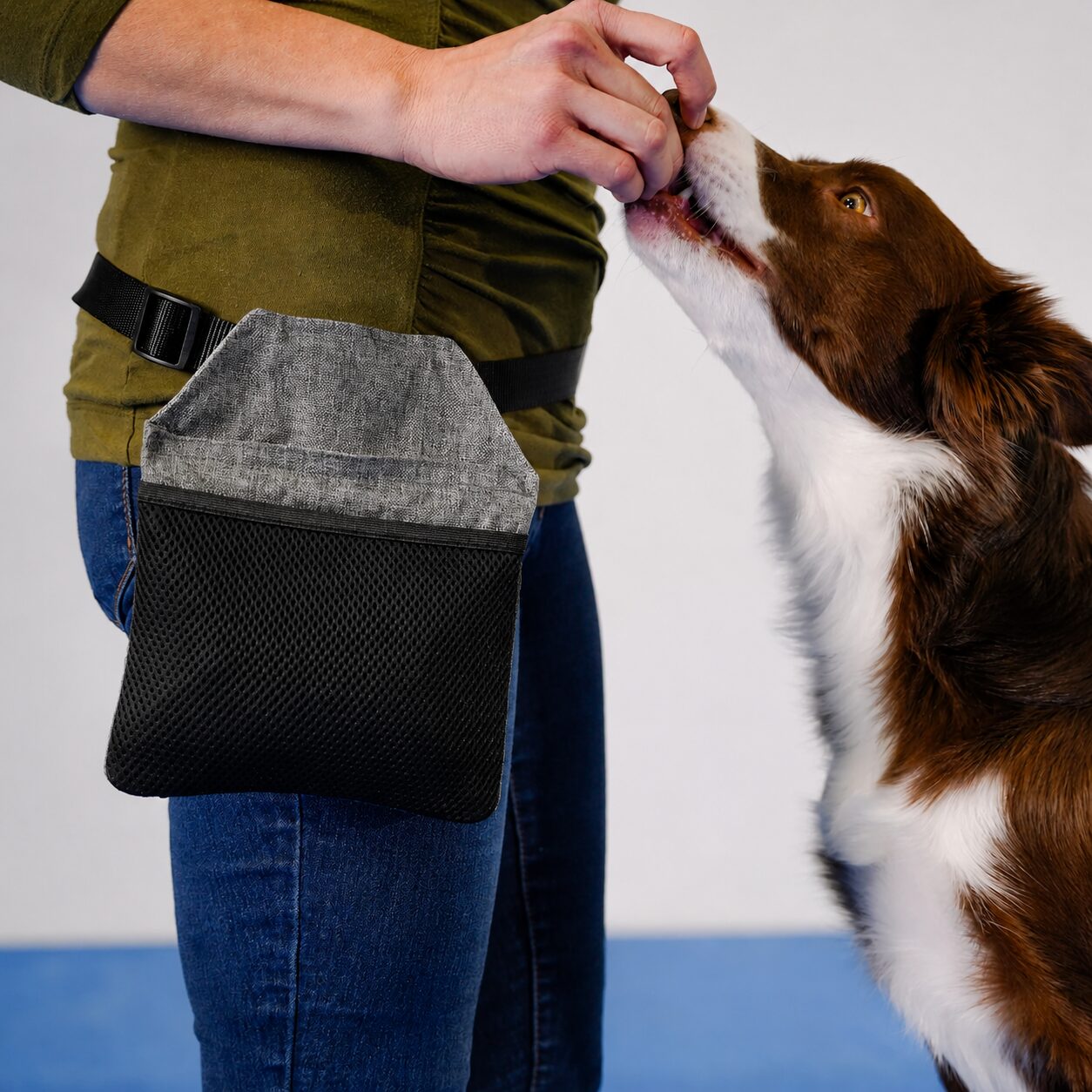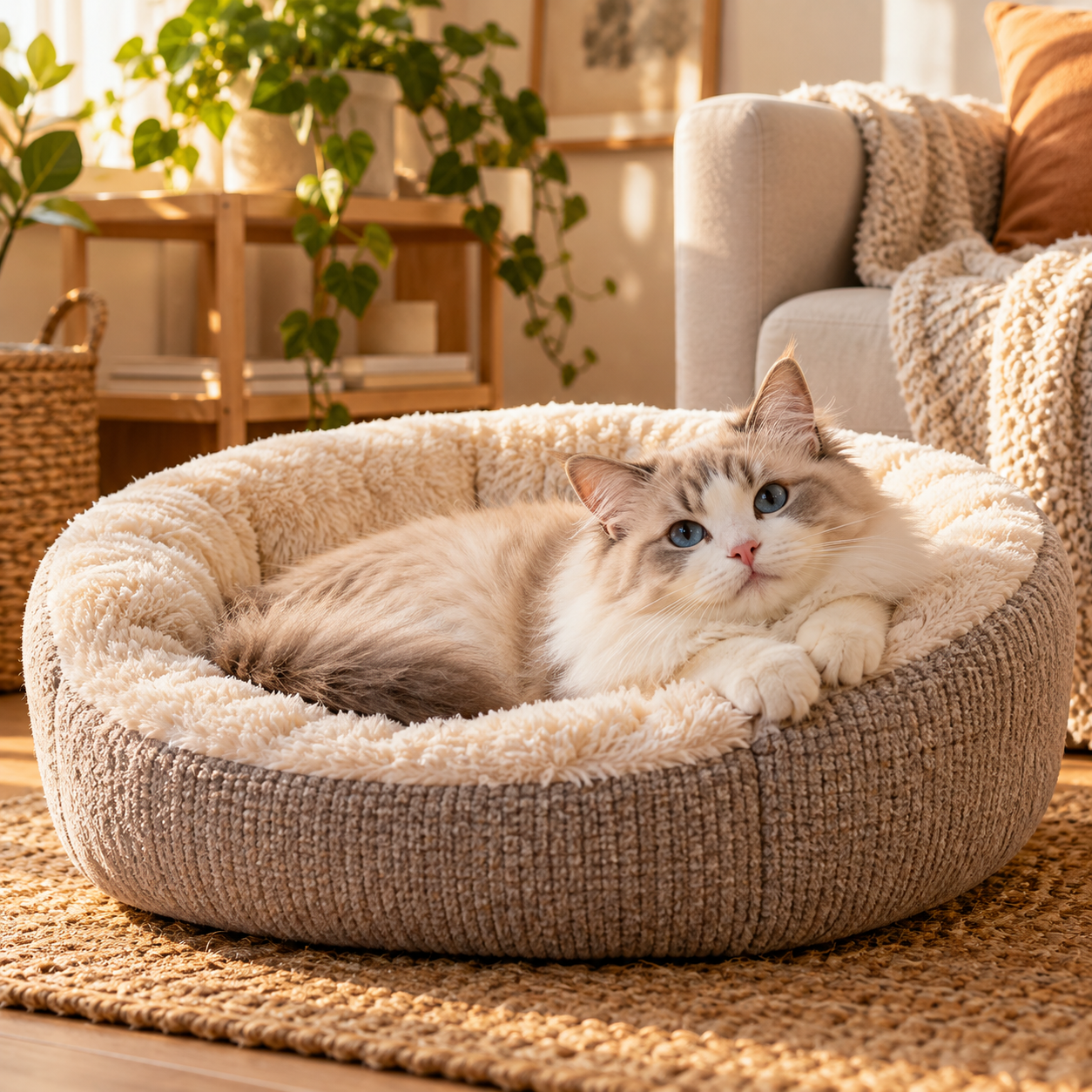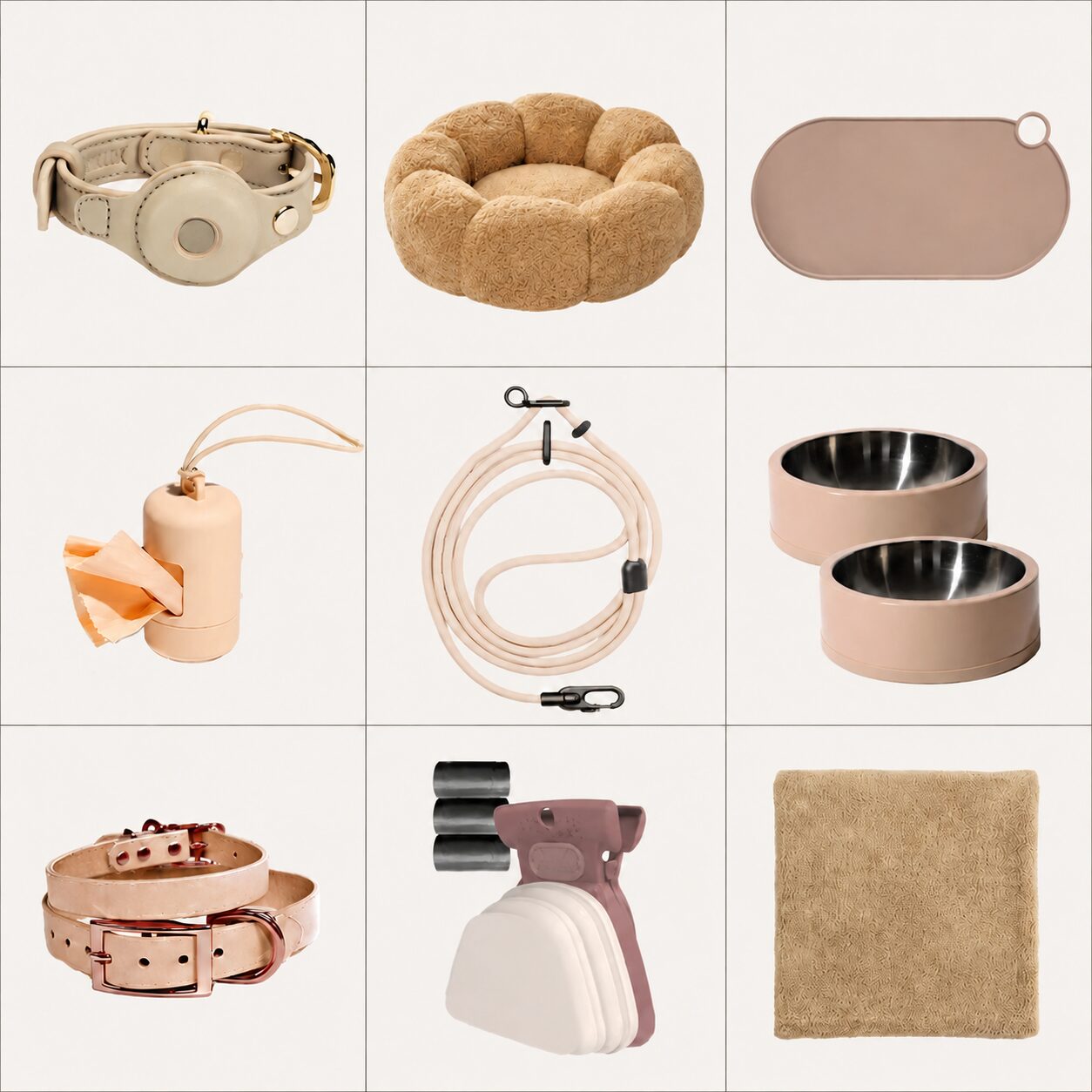
For pet brands entering competitive retail markets, the smallest design details can influence how customers perceive a product. A well-placed logo helps establish brand recognition, but appearance alone is not enough. The branding technique must also work with the carrier’s fabric, construction, cleaning requirements, and intended use.
From embroidered logos to metal plates and custom zipper pulls, different methods offer different advantages. Understanding these options helps brand owners, wholesalers, and distributors develop distinctive pet carriers without compromising durability, functionality, or production costs.
1. Why Logo Customization Matters for Pet Carrier Brands
Branding plays an important role in how pet products are positioned, marketed, and recognized. However, selecting a logo method should involve more than choosing an attractive finish.
For overseas brands, developing a custom pet carrier with logo requires balancing three considerations: brand identity, product functionality, and manufacturing cost.
For example, a premium urban pet carrier may benefit from a small metal logo, while an outdoor travel backpack might be better suited to a flexible silicone patch. The same logo design can produce very different results depending on the material and application method.
In a private label pet carrier program, these decisions also influence future product collections. Consistent logo colors, placements, and finishes help brands maintain a recognizable identity across multiple styles.
For B2B buyers, the most important considerations include:
- Brand Positioning: Select logo materials and finishes that match the target retail market.
- Material Compatibility: Ensure the application method works with the outer fabric and internal structure.
- Production Consistency: Define logo dimensions, colors, and placement before bulk manufacturing.
- Cost Control: Consider tooling charges, application costs, and minimum order requirements.
- Long-Term Durability: Evaluate how the logo performs during handling, folding, cleaning, and everyday use.
An experienced manufacturing partner should help evaluate these factors during product development rather than simply applying the artwork provided.
2. Embroidery Logos: A Classic Choice for Premium Pet Carriers
Embroidery remains a popular branding technique for canvas, Oxford fabric, polyester, and selected nylon pet carriers. It gives logos a textured appearance and is particularly suitable for lifestyle collections seeking a traditional or handcrafted look.
However, embroidery quality depends on the relationship between the artwork, fabric thickness, stitch density, and backing material.
Lightweight fabrics may wrinkle when excessive stitches are concentrated in a small area. Fabrics with waterproof coatings also require additional consideration because embroidery needles penetrate the material.
| Embroidery Factor | Manufacturing Consideration | Recommended Approach |
|---|---|---|
| Fabric thickness | Lightweight panels may pucker | Adjust stitch density and backing |
| Logo complexity | Small lettering may lose definition | Simplify fine details during artwork review |
| Waterproof coatings | Needle penetration may affect water resistance | Evaluate alternative placements or sealing methods |
| Logo position | Thick stitching can interfere with folding | Avoid major fold lines and heavily stressed seams |
At Aimazing Bag, logo development can be incorporated into the fabric and pattern review before sampling. This allows the team to assess whether embroidery should be applied directly to a panel or produced separately as an embroidered patch.
OEM Tip: If maintaining water resistance is a priority, consider placing embroidery on a separate reinforcement panel. Seam sealing may help in some constructions, but the final performance should be verified rather than assumed.
3. Rubber Patch Pet Carrier: Flexible Branding for Outdoor Products
Rubber and silicone patches are practical options for pet carriers designed for outdoor activities, frequent handling, and casual travel.
Compared with embroidery, these patches offer a smoother, easier-to-wipe surface. Molded designs can also create a raised logo effect without requiring dense stitching directly through the carrier fabric.
Their appearance and durability depend on the material formulation, surface treatment, and attachment method.
Important manufacturing considerations
- Material Selection: PVC and silicone provide different flexibility, texture, and weathering characteristics.
- Attachment Method: Perimeter stitching is common, while bonding or welding may be possible with compatible materials.
- Logo Thickness: Excessively thick patches can make lightweight panels feel stiff.
- Placement: Reinforced exterior panels are generally preferable to mesh windows or major folding areas.
- Color Consistency: Logo colors should be checked against approved references before production.
For outdoor pet brands, a carefully designed rubber patch can provide a recognizable brand identity while remaining compatible with rugged woven fabrics.
However, resistance to UV exposure, cracking, and fading should be evaluated according to the selected material rather than treated as a universal property of all rubber logos.
4. Woven Label Pet Bag: Minimalist Branding Without Heavy Hardware
Not every premium pet product needs a large, highly visible logo.
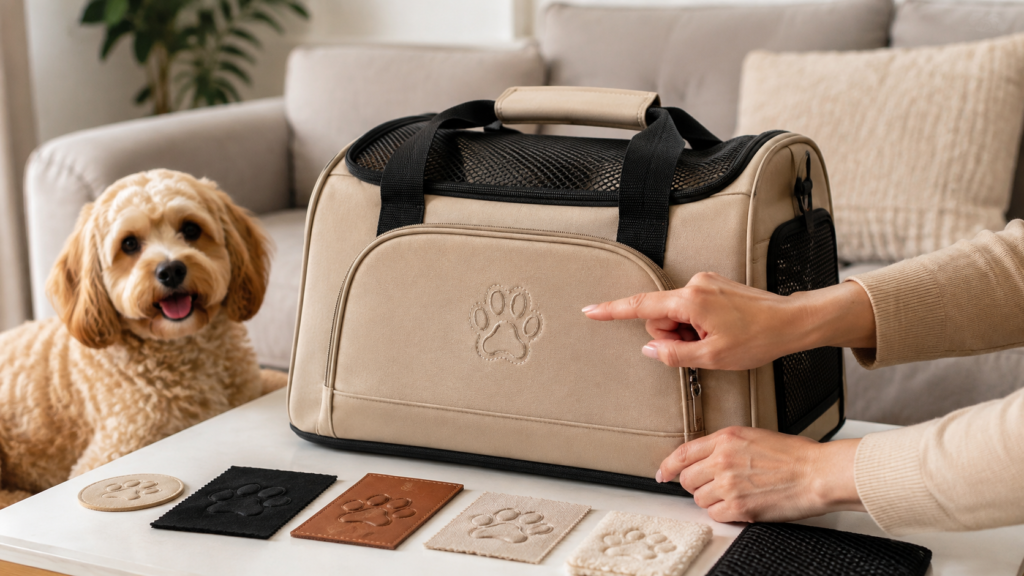
Woven labels are particularly suitable for minimalist pet carriers, lightweight travel bags, and coordinated pet accessory collections.
Their main advantage is the ability to reproduce consistent brand details in a compact format without adding significant weight or bulky hardware.
What makes a woven label effective?
Fine woven details: High-density weaving can reproduce small lettering and simple graphic elements with good definition, depending on the artwork and yarn selection.
Flexible placement: Labels can be incorporated into side seams, external pockets, interior compartments, or accessory sections.
Collection consistency: Matching woven labels can help connect pet carriers, harnesses, leashes, and travel organizers under one brand identity.
Controlled production costs: Standard woven labels may be economical for repeat production, particularly when the same design is used across several products.
The factory should also consider label edges, folding methods, and seam allowances.
Heat-cut edges can help prevent fraying in suitable synthetic materials, while folded labels may offer greater comfort where the label could contact the pet or owner.
For brands building a clean, understated product range, woven labels provide an alternative to heavier decorative branding.
5. Metal Logo Pet Carrier: Premium Identity for Luxury Collections
Metal logo plates are commonly associated with premium handbags and lifestyle accessories. When adapted carefully to pet travel products, they can create a more structured, sophisticated appearance.
A metal logo can be produced in different finishes, including brushed silver, polished gold, matte black, or antique metallic effects.
Common materials include zinc alloy and stainless steel, with finishing options depending on the base metal.
| Component | Available Options | What Buyers Should Check |
|---|---|---|
| Logo plate | Zinc alloy, stainless steel | Weight, edge finishing, corrosion resistance |
| Surface finish | Electroplating, coating, polishing | Color consistency, scratch resistance |
| Logo detail | Engraving, embossing, die casting | Legibility and surface quality |
| Attachment | Rivets, backing plates, mechanical fixing | Security and internal comfort |
Unlike decorative hardware on ordinary handbags, metal components on pet carriers require additional attention to animal comfort.
The plate should not create exposed sharp edges, protruding fasteners, or hard contact points near the pet’s resting area.
For suitable hardware projects, manufacturers may evaluate corrosion behavior using methods associated with ASTM B117 salt spray testing. Such testing provides comparative information under controlled conditions but does not automatically predict real-world service life.
Manufacturing Recommendation: Premium appearance should never come at the expense of comfort or safe construction. Logo weight, attachment strength, and internal backing should be reviewed together.
6. Heat Transfer Printing: Lightweight Branding for Modern Collections
Heat transfer printing is useful for brands that want smooth graphics, detailed lettering, or modern minimalist designs without adding a separate patch.
It is often considered for polyester and selected synthetic fabrics, although compatibility depends on coatings, fabric texture, adhesives, and application temperatures.
Unlike embroidery or attached badges, a heat-transferred graphic can remain relatively flat against the carrier surface.
This makes it suitable for selected lightweight travel totes and accessories where flexibility matters.
Key points for B2B development
- Artwork Detail: Fine graphics and multicolor designs may be reproduced effectively with suitable transfer technology.
- Fabric Compatibility: Coated, textured, or heat-sensitive materials require sample verification.
- Flexibility: The transfer should tolerate the expected degree of fabric bending.
- Cleaning Performance: Adhesion and appearance should be assessed after the intended cleaning process.
- Production Settings: Temperature, pressure, and dwell time should be controlled for repeatable results.
Poor compatibility between the transfer adhesive and the fabric can lead to lifting, cracking, or premature wear.
For brands considering this technique, sample testing is more valuable than selecting the method based on appearance alone.
7. Embossed PU Patches: A Refined Option for Lifestyle Pet Bags
Embossed or debossed PU patches create a subtle three-dimensional logo without the metallic appearance of a hardware plate.
This method is often suitable for fashion-oriented pet carriers, urban travel totes, and coordinated premium accessories.
By pressing the brand artwork into or above the surface, manufacturers can create a restrained identity that blends with the surrounding fabric.
Why brands choose PU patches
- They offer a leather-like visual appearance without necessarily requiring genuine leather.
- Logo details can be raised or recessed for a subtle branded finish.
- Patch colors can be selected to coordinate with the carrier fabric.
- They work well on selected polyester, nylon, and canvas constructions.
The main technical challenge is ensuring the patch retains an acceptable appearance after repeated bending and handling.
PU material thickness, surface coating, and attachment method should therefore be considered during sampling.
A thicker patch may look attractive on a rigid tote but may not perform as well near a foldable carrier’s hinge or compression area.
8. Branded Zipper Pulls: Small Details That Strengthen Brand Recognition
Exterior logo placement is only one part of a complete branding strategy.
Custom zipper pullers can provide another branding opportunity, particularly for carriers featuring multiple compartments and travel-accessory pockets.
Options include molded rubber pullers, engraved metal pullers, and fabric zipper tabs.
For brand owners, this approach helps maintain product identity without requiring a large exterior logo.
However, zipper accessories must remain functional.
Oversized pullers may create unnecessary weight or interfere with nearby components. Metal accessories can also produce noise or create potential contact hazards if poorly positioned.
At Aimazing Bag, zipper pull customization can be reviewed alongside zipper type, opening direction, and bag structure during OEM/ODM development.
The goal is to make branding part of the product’s overall usability rather than an accessory added at the last minute.
9. How Should Pet Brands Choose the Right Logo Method?
Choosing the right technique depends on the product’s intended market, fabric, target price, and design expectations.
When sourcing a custom pet carrier with logo, buyers should compare application methods before approving a final design.
A woven label pet bag can work particularly well for lightweight, minimalist collections, while a rubber patch pet carrier may be a stronger visual match for outdoor ranges where flexible, easy-to-clean branding is preferred.
The following comparison can help buyers narrow their options.
| Logo Method | Best-Fit Product Positioning | Main Advantage | Main Consideration |
|---|---|---|---|
| Embroidery | Classic and lifestyle collections | Textured, established appearance | Fabric puckering and needle penetration |
| Rubber or silicone patch | Outdoor and active travel | Flexible, wipe-clean branding | Tooling, thickness, and attachment |
| Woven label | Minimalist and lightweight products | Compact, consistent branding | Small artwork limitations |
| Metal plate | Premium and luxury collections | Distinctive metallic finish | Weight, corrosion, and edge safety |
| Heat transfer | Contemporary and lightweight designs | Flat, detailed graphics | Adhesion and repeated-flex performance |
| Embossed PU patch | Fashion-oriented collections | Subtle three-dimensional effect | Surface durability and bending |
| Branded zipper pull | Coordinated travel collections | Branding integrated into hardware | Functionality and attachment security |
There is no single method that works best for every pet carrier.
For brands introducing a new collection, requesting two or three logo samples on the intended fabric is often the most practical way to compare appearance, cost, and durability.
10. OEM Development Case: Helping an Outdoor Pet Brand Solve a Logo Placement Problem
Illustrative customer scenario: The following example demonstrates a realistic OEM development process. It is not presented as a verified completed customer order.
The Client’s Challenge
A European outdoor pet accessories startup was preparing a compact travel carrier for its first retail collection.
The planned product featured dark graphite polyester fabric, breathable mesh panels, a rear trolley sleeve, and a foldable construction for convenient storage.
The brand wanted a custom pet carrier with logo that looked premium but remained practical for frequent outdoor use.
Its initial proposal was to embroider a relatively large logo across the front panel.
However, the proposed position was close to a folding area and a mesh ventilation section.
This created three development concerns:
- Dense embroidery could interfere with the intended panel flexibility.
- Stitching close to the ventilation area could complicate construction.
- A large logo could conflict with the brand’s understated visual identity.
Aimazing’s Proposed Development Approach
Rather than proceeding directly with the requested embroidery artwork, the Aimazing development team would review the product’s structure and offer alternative branding options.
Step 1 — Review the design and fabric
The team would identify the folding lines, available reinforced panels, ventilation sections, and areas exposed to frequent handling.
Step 2 — Compare suitable branding methods
Three alternatives could be evaluated:
- A smaller embroidered patch positioned away from the fold.
- A flexible silicone badge attached to a reinforced front panel.
- A compact woven label incorporated into a side seam.
Step 3 — Refine logo position and dimensions
The proposed solution would use a low-profile silicone patch on the front panel, supported by a smaller woven brand label for coordinated detailing.
This would help preserve the product’s visual identity while reducing interference with functional components.
Step 4 — Prepare and evaluate samples
Aimazing’s standard sampling target is 3–5 days for suitable specifications, subject to material availability and artwork approval. A newly molded logo may require additional tooling time.
The sample review would focus on logo alignment, panel flexibility, attachment quality, and the carrier’s folding performance.
Step 5 — Prepare for a small wholesale launch
The brand could evaluate an initial 100-piece, single-color pilot order before considering additional styles or branding variations, subject to final component requirements.
What Makes This Manufacturing Approach Different?
A conventional logo application service may focus mainly on reproducing artwork and providing a unit price.
A development-focused manufacturer considers how the requested branding interacts with the entire product.
For this private label pet carrier project, the valuable contribution would not simply be producing a different badge. It would be helping the buyer identify potential problems before bulk production.
The example illustrates why early communication between branding designers, pattern makers, sampling technicians, and production teams matters.
For emerging brands, this approach can reduce unnecessary redesigns and help establish a more repeatable product specification.
11. From Logo Approval to Bulk Production: How Aimazing Manages Branding Quality
Selecting the right logo method is only the beginning.
For wholesale buyers, one of the biggest concerns is whether the approved sample can be reproduced consistently during bulk production.
A logo that looks excellent on one prototype may show differences in color, alignment, stitching, or attachment when produced in larger quantities.
This is why the branding specification should become part of the approved production documentation.
At Aimazing Bag, development and quality control are organized around material inspection, in-process checks, final inspection, and outgoing quality verification.
Key branding checkpoints
1. Artwork and color confirmation
Confirm logo dimensions, Pantone references where applicable, material finishes, and artwork files before production.
2. Placement verification
Check logo position against approved pattern markings, including distances from seams, zippers, mesh panels, and reinforced areas.
3. Attachment inspection
Evaluate stitching, adhesion, mechanical fasteners, or other fixing methods appropriate to the selected branding technique.
4. Material performance evaluation
For fabric-based applications, methods such as ISO 105-X12 colorfastness testing may be relevant when assessing resistance to dry and wet rubbing.
For a metal logo pet carrier, buyers should also agree on appropriate corrosion-resistance expectations and attachment checks.
5. Pre-production sample approval
Confirm the complete product, including branding details, before proceeding with bulk production.
6. Bulk consistency checks
Monitor logo appearance and position during production, then review finished goods against the approved reference sample.
The specific tests, acceptance criteria, and inspection frequency should be defined according to the product, materials, and customer’s requirements.
Learn more about our pet bag quality control process.
12. Why Work With Aimazing Bag as Your Pet Carrier Development Partner?
Launching a branded pet carrier involves more than selecting a logo from a catalog.
Buyers must coordinate fabric sourcing, structure design, material compatibility, logo development, accessories, sampling, and production quality.
Aimazing Bag supports international pet brands, wholesalers, and distributors through OEM/ODM development and manufacturing.
Our services include:
- Custom Logo Development: Embroidery, rubber and silicone patches, woven labels, metal plates, PU patches, printing, and selected custom hardware.
- Material and Structure Support: Guidance on fabric selection, ventilation, reinforcement, carrying comfort, and product construction.
- Sampling in 3–5 Days: Standard development target for feasible specifications, with additional time confirmed where special materials or tooling are required.
- MOQ from 100 Pieces: Flexible entry quantities for suitable custom projects.
- Production Quality Control: Material checks, in-line inspections, sample comparison, and finished-product verification.
- OEM/ODM Partnership: Support from initial design discussion through sampling, pre-production approval, and bulk manufacturing.
Our role is not limited to manufacturing a design exactly as received. We also help evaluate whether the proposed materials, structures, and branding details are appropriate for the intended product.
If you are planning a custom pet carrier with logo, share your artwork, preferred fabric, target market, and estimated order quantity with our team.
We can help compare suitable logo methods and develop a practical solution for your collection.