1. The Sagging Prevention Mandate: Why Sourcing a Reinforced Pet Carrier Bottom Protects Pet Safety
Preventing floor sagging eliminates animal anxiety and preserves proper spinal posture during transport. Brand buyers must mandate rigid floor engineering when launching a reinforced pet carrier bottom product line. Structural stability is the primary requirement for modern pet carriers because an unstable floor causes physical stress and panic for traveling animals. Reliable structural engineering differentiates premium pet gear from standard retail commodities while directly impacting long-term market reputation. Modern manufacturing protocols require meticulous attention to baseline rigidity parameters to ensure total peace of mind for commercial importers and end-user pet owners alike.
- Spinal Alignment: Rigid platforms prevent unnatural bending and maintain optimal posture across transit.
- Anxiety Reduction: Stable footings eliminate slipping and calm animals during movement through transit hubs.
- Safety Compliance: Certified load distribution meets international transport standards while safeguarding animal health.
- Brand Protection: Robust structural engineering prevents costly product failures and expensive returns.
2. The Rigid Foundation Standard: Why Engineering a Durable Pet Carrier Base Board Protects Structural Integrity
Honeycomb and PE board selection balances lightweight rigidity and bending resistance under shifting animal weight. A heavy-duty reinforced pet carrier bottom with a proper pet carrier base board prevents bottom-out deformation during active travel. Selecting the proper core material ensures the carrier floor maintains its flat geometry despite years of heavy daily usage. Industrial material selection processes involve rigorous laboratory testing to evaluate long-term fatigue resistance, environmental stability under varying temperature conditions, and overall structural resilience when subjected to unpredictable animal behaviors. Furthermore, comprehensive finite element analysis allows engineering teams to simulate massive impact forces, ensuring that the deployed core substrate never compromises under sudden downward pressure spikes during complex logistical transit or unexpected drops.
- Core Substrate Selection: Advanced teams optimize structural weight ratios and impact resistance under stress.
- Load Distribution Mechanics: Distributing weight evenly prevents localized fabric stress during transit cycles.
- Deformation Prevention: Rigid core substrates ensure internal floor geometry remains completely flat under loads.
3. The Modular Convenience Standard: Why Developing a Removable Pet Carrier Insert System Protects Hygiene
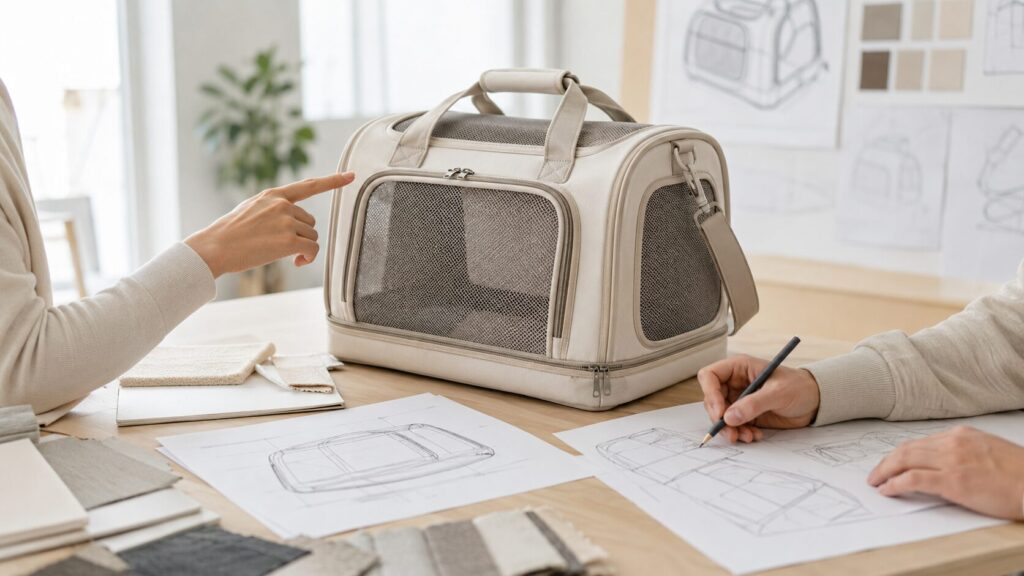
Designing slide-out structural inserts wrapped in washable fleece or waterproof fabrics simplifies end-user sanitation. Brand buyers prefer a reinforced pet carrier bottom equipped with a removable pet carrier insert for effortless end-user cleaning and maintenance. Modular engineering allows pet owners to extract the internal floor assembly instantly for washing, ensuring long-term product hygiene and extended usability. Contemporary consumer expectations demand hassle-free maintenance solutions that seamlessly integrate into busy modern lifestyles without compromising structural performance.
- Sanitation Access: Removable designs allow complete washing without damaging primary load components.
- Odor Prevention: Eliminates hidden debris traps that cause bacterial growth and foul odors.
- Material Longevity: Washable sleeves protect core boards from water and corrosive waste.
- Consumer Appeal: Practical maintenance features drive positive reviews and increased brand loyalty.
4. The Comfort and Ergonomics Standard: Why Sourcing a Supportive Pet Bag Bottom Protects Animal Health
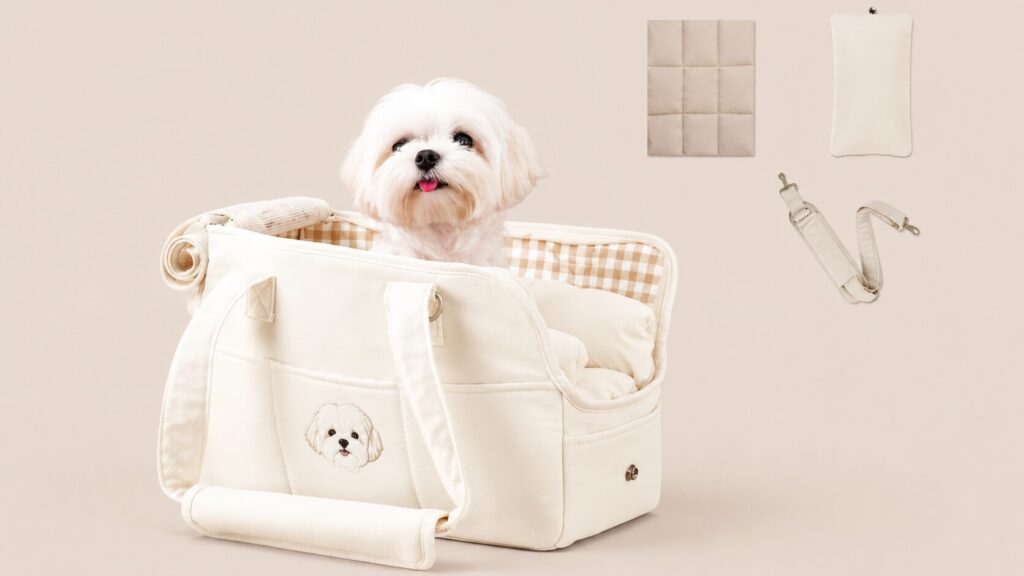
Integrating high-density comfort foam above rigid substrates absorbs shock and vibration during transit. A truly supportive pet bag bottom paired with a reinforced pet carrier bottom keeps small dogs and cats balanced and secure. Ergonomic flooring bridges the gap between mechanical rigidity and tactile comfort for the traveling animal. Advanced cushioning profiles distribute pressure points uniformly to prevent physical fatigue and joint discomfort during extended journeys across rough terrain. Professional engineering laboratories continuously evaluate open-cell and closed-cell foam matrices to guarantee optimal resilience over thousands of compression cycles, ensuring that animal passengers experience absolute physical tranquility and sustained muscular relaxation from departure until final destination arrival.
- Vibration Dampening: Comfort foam absorbs high-frequency vehicle vibrations to protect sensitive joints.
- Postural Balance: Firm foundations prevent rolling and sliding during sharp turns and braking.
- Tactile Comfort: Soft upper cushioning layers encourage animals to lie down and rest peacefully.
- Ergonomic Bridge: Seamlessly integrates mechanical load support with superior animal comfort.
5. The Industrial Strength Standard: Why Executing Advanced Pet Carrier Floor Reinforcement Protects Durability
Anchoring structural straps beneath the floorboard ties the base directly to exterior carry handles. Comprehensive pet carrier floor reinforcement combined with a reinforced pet carrier bottom withstands heavy pet clawing and shifting loads. Industrial manufacturing techniques ensure the bottom assembly handles extreme weight loads without structural separation. Heavy-duty reinforcement protocols utilize specialized webbing layouts to redirect mechanical tension away from fragile textile seams and directly into the primary load-bearing framework.
- Webbing Sling Integration: Continuous nylon straps transfer weight directly to carry handles.
- Stitch Reinforcement: High-density bar-tacks prevent seam tearing under maximum payload.
- Claw Resistance: Tough bottom textiles resist punctures and abrasions from active scratching.
- Structural Unity: Ties the floor board securely to the outer frame to prevent shifting.
6. The Weight Capacity Standard: Why Maximizing Pet Carrier Weight Support Protects Safety Limits
Evaluating dynamic weight deflection and corner-load thresholds before mass production guarantees commercial reliability. Optimal pet carrier weight support designed into every reinforced pet carrier bottom prevents permanent frame warping over years of use. Engineering teams calculate maximum payload limits to ensure complete safety across various animal sizes. Strict laboratory testing protocols simulate decades of aggressive usage to verify that internal load-bearing capacities exceed normal commercial expectations under all operating conditions.
- Static Load Testing: Verifies structural safety margins by applying triple the maximum rated weight.
- Dynamic Drop Testing: Repeated impact cycles confirm shock tolerance and overall elasticity.
- Deflection Audits: Center-point sagging checks ensure flooring remains level under full payload.
- Payload Certification: Guarantees safe and reliable operation for specific animal weight categories.
7. From Tech Pack to Bulk Containers: Transparent OEM Sourcing with Aimazing Bag
Eliminating middleman markups secures direct OEM fabrication for every reinforced pet carrier bottom. Aimazing Bag provides full support, from tech packs to logistics, ensuring volume execution. Our rigorous quality programs protect financial investments. Whether launching pilot runs or container loads, our engineering team maintains strict standards. Request our blueprint to optimize your collection and ensure your thermal gear stands out.