1. The Real-World Test: Why Many Wholesale Pet Store Supplies Fail After Purchase
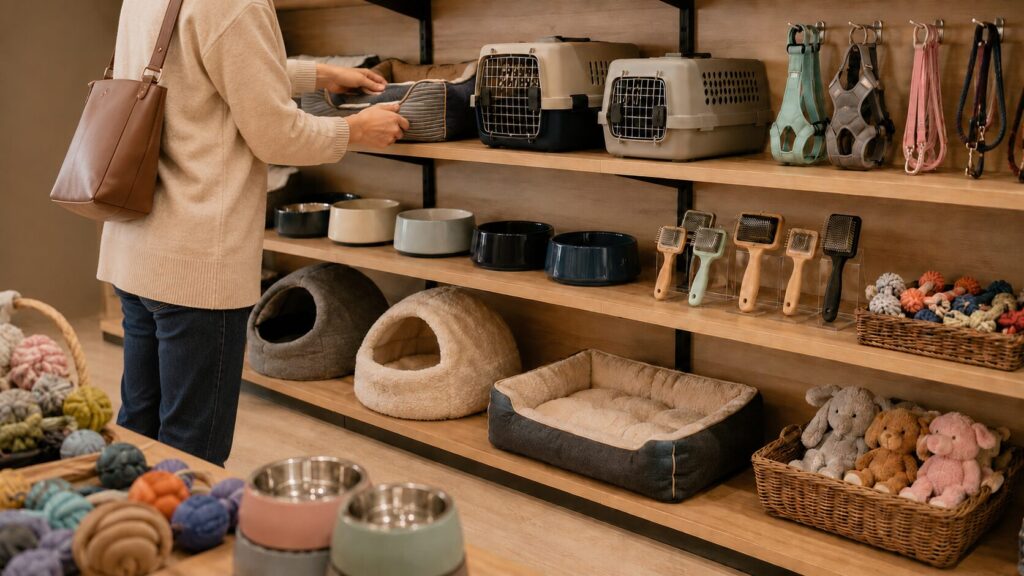
Retail inventory often degrades rapidly because showroom appeal conceals underlying structural vulnerabilities exposed during dog-park usage. Global retail buyers learn that everyday friction, high-tensile pulling, and canine chewing test inventory far beyond basic aesthetic standards. Selecting robust underlying materials guarantees that every manufactured unit withstands prolonged outdoor usage without suffering structural deformation. Industrial procurement teams must evaluate core textile engineering before launching any custom pet gear line. Vet specialized wholesale pet store supplies carefully to prevent costly discrepancies between initial golden samples and final mass-produced inventory.
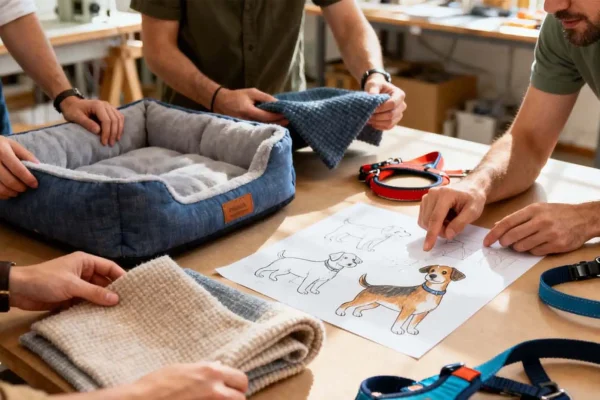
Transparent raw material certifications ensure that fabric tensile strengths match exact laboratory testing thresholds without distributor dilution. Sourcing through an OEM partner guarantees precise control over heavy-duty webbing strength and production tolerances. Digital tech packs transform into tangible retail items rapidly because engineering teams communicate modifications instantly without bureaucratic lag. Industrial manufacturing scale allows emerging brands to maximize profit margins while maintaining absolute delivery reliability across massive international inventory volumes.
| Evaluation Metric | Showroom Expectations | Real-World Dog Park Conditions |
| Fabric Durability | Pristine surface appearance under controlled lighting. | Continuous abrasion, mud exposure, and canine claw scratching. |
| Tensile Resistance | Moderate static weight capacity on display hangers. | Sudden shock loads from heavy-pulling working dog breeds. |
| Hardware Integrity | Polished metal finishes with zero immediate defects. | Weather corrosion, sweat exposure, and high-impact jaw stress. |
2. Direct Sourcing Realities: Evaluating Reliable Dog Product Wholesalers
Multi-layered distribution networks obscure material substitutions and quality defects during international bulk procurement cycles. Partnering past typical dog product wholesalers ensures full material transparency and custom engineering control over raw material specifications. Factory line worker experience dictates whether complex structural assembly errors get caught before mass cutting begins on the production floor. Direct engineering collaboration ensures that technical specification modifications apply uniformly across all active production sewing lines. Sourcing directly from an established manufacturing facility guarantees absolute transparency regarding daily output capacities and quality gate metrics. Production managers conduct daily stand-up meetings to review defect logs and implement immediate corrective workflow adjustments. Brand directors appreciate this hands-on manufacturing approach when developing intricate functional pet accessory collections.
- Intermediary elimination: Bypassing traditional dog product wholesalers prevents hidden material substitutions and unauthorized quality degradation.
- Material transparency: Direct OEM manufacturing partnerships provide full visibility into textile certifications and hardware testing reports.
- Engineering collaboration: Direct communication channels ensure technical specification modifications apply uniformly across active production floors.
3. Structural Engineering: Building a Durable Custom Made Dog Harness Line
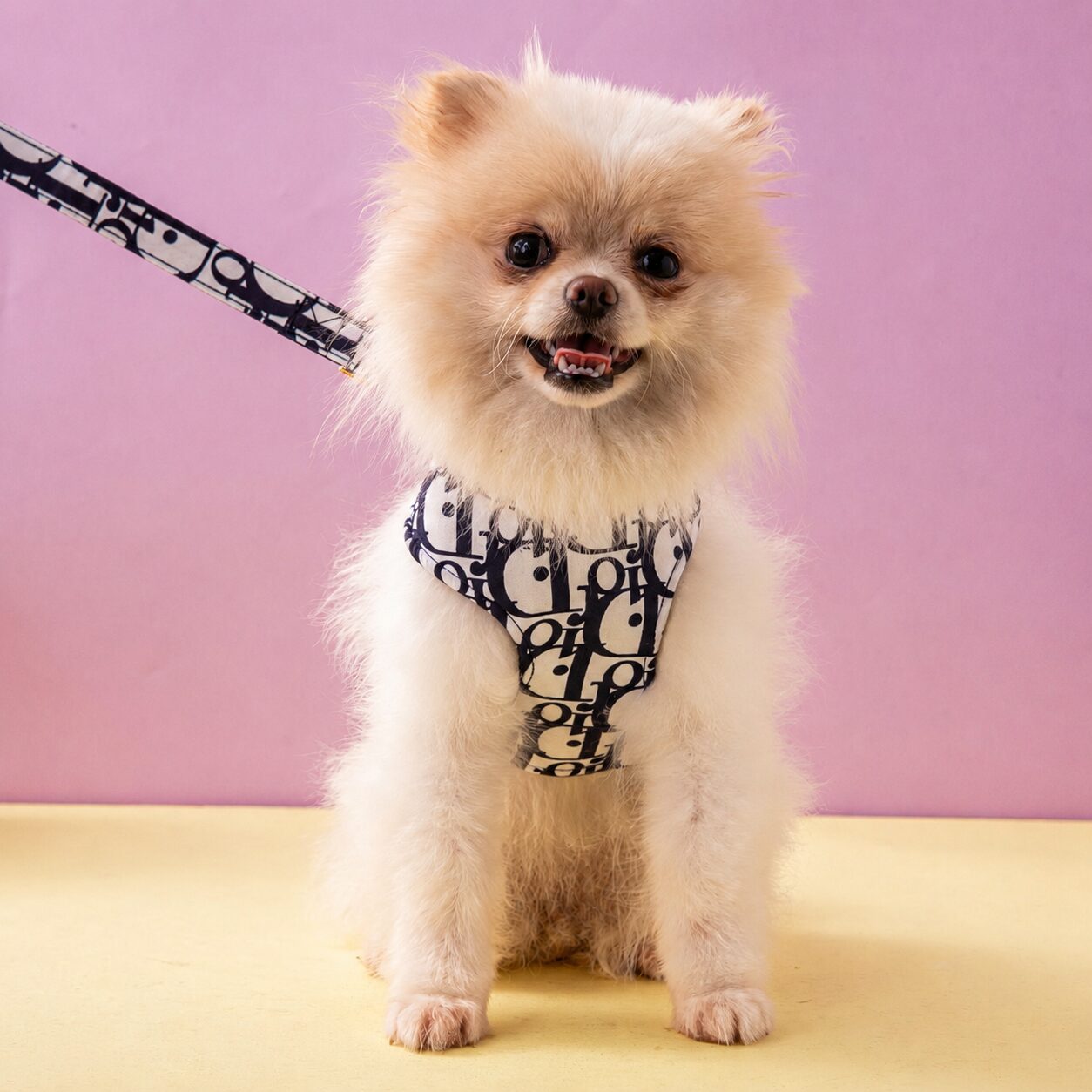
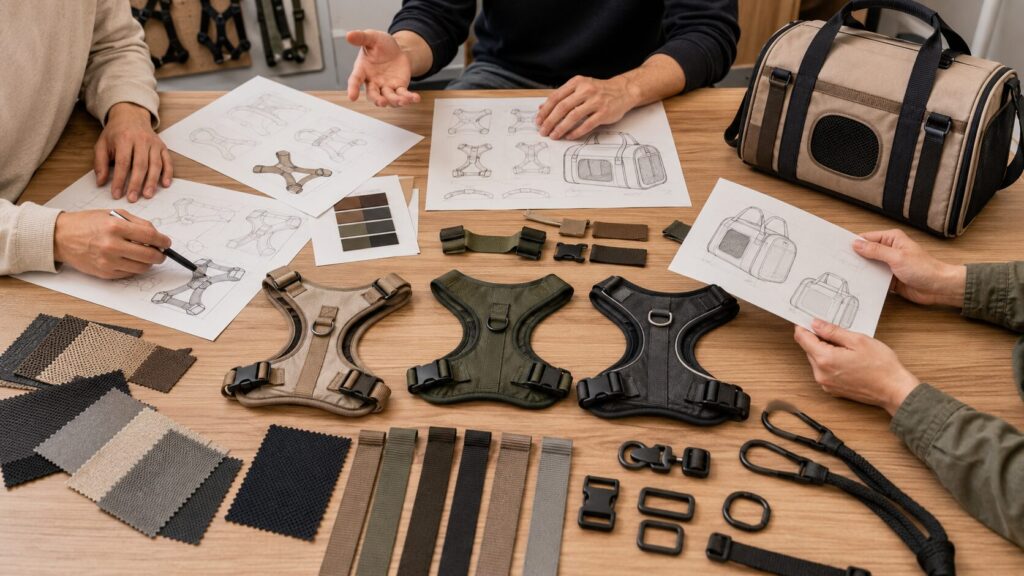
Pressure distribution and webbing resilience prevent structural tearing under high-tensile canine pulls. Structuring a reliable custom made dog harness requires balancing breathable sandwich mesh panels with heavy-duty nylon load-bearing straps. Factory production supervisors deploy computerized template guidance to maintain uniform seam allowances across thousands of manufactured units. Quality assurance inspectors test zipper tooth alignment and mesh tear resistance against strict military-grade mechanical tolerances. Automated sewing stations secure crossing structural intersections to withstand multi-directional pet movement vectors without tearing. Packaging supervisors conduct drop-impact audits on packed cartons to verify that outer structures protect internal contents during transit. Raw material inventory managers track lot numbers meticulously to trace component origins in case of unexpected performance variances.
- Pressure distribution: Ergonomic chest panel designs disperse pulling forces evenly across the canine torso to prevent injury.
- Webbing resilience: High-tensile nylon straps resist fraying and maintain structural integrity under extreme pulling loads.
- Reinforced bar-tacking: Computerized sewing patterns secure high-stress junction points against sudden multi-directional animal movements.
4. Factory Floor Realities: Inside Professional Dog Products Manufacturing
Precision automated cutting versus manual stitching ensures absolute seam integrity on high-volume production runs. Specialized dog products manufacturing eliminates batch-to-batch variations by enforcing rigorous digital pattern alignment across all fabric layers. Factory quality control inspectors measure color spectrophotometer data continuously to detect subtle hue shifts between sample swatches and bulk textile rolls. Sourcing reliable performance textiles requires strict laboratory verification of denier weight ratings and waterproof backing compound thicknesses. Production supervisors throw out sketchy fabric batches right on the spot so those cosmetic flaws never make it into commercial retail shipments for wholesale pet store supplies. Industrial lamination presses fuse outer synthetics tightly to breathable inner foam without leaving behind any annoying air bubbles. Master techs are constantly tweaking the heat dials all shift long to keep those thermal fusion points right where they need to be.
- Automated cutting precision: Computerized multi-axis tables eliminate human error and guarantee uniform panel geometry across massive batches.
- Industrial consistency: Specialized dog products manufacturing protocols enforce strict quality gates to eliminate batch-to-batch variations.
- Lamination control: Industrial thermal presses bond synthetic outer layers permanently to interior comfort foams without bubbling.
5. Hardware Strength: Sourcing from Reliable Pet Leash Manufacturers
Tensile testing for metal clasps, swivel hooks, and heavy-duty D-rings prevents accidental snap-offs during active use. Working with experienced pet leash manufacturers ensures uniform metal finishing and superior stress resistance under maximum dynamic load conditions. Factory testing technicians subject random production samples to multi-hour tension chambers and heavy-weight drop tests. Verifying structural limits before bulk shipping protects retail partners from costly warranty claims and negative consumer reviews. QC inspectors check buckle pull strength and make sure the zipper teeth line up right against super strict manufacturing tolerances for wholesale pet store supplies. Automated sewing machines use computer templates to keep stitch counts identical across thousands of units. Finally, packing supervisors drop-test cartons to make sure the boxes actually protect everything inside while it is out on the road.
- Metal testing protocols: Rigorous tension audits verify that alloy clasps and D-rings withstand extreme shock loading without failure.
- Collaborative hardware engineering: Experienced pet leash manufacturers specify corrosion-resistant platings to prevent outdoor oxidation and rust.
- Seamless integration: Heavy-duty box-X stitching anchors metal attachment rings securely into multi-layered webbing substrates.
6. Risk Mitigation: How to Audit Your Pet Supply Inventory Before Retail Release
Multi-stage pre-shipment stress testing simulates abrasion, pull resistance, and hardware endurance under extreme operating environments. Setting clear contractual standards eliminates batch-to-batch inconsistencies across active commercial inventory delivery batches. Transparent production tracking software allows brand directors to monitor manufacturing milestones in real time from anywhere worldwide. Clear defect-rate tolerances establish legal accountability and protect profit margins against substandard bulk delivery batches. Supply chain coordinators verify that packaging materials meet international drop-test standards before cargo departs export docks. Factory quality control standards minimize initial defect rates to reduce post-purchase repair frequency globally. Brand directors prioritize durable construction methodologies to satisfy evolving consumer expectations.
- Pre-shipment stress testing: Evaluating structural pull-point strength and buckle resilience under heavy weight guarantees long-term product durability.
- Defect tolerance benchmarks: Setting strict contractual limits protects brand profit margins and establishes clear manufacturing accountability standards.
- Production tracking transparency: Real-time software visibility allows brand directors to monitor active manufacturing milestone completions globally.
7. The Aimazing Advantage: Engineering Excellence in Pet Gear Manufacturing
Aimazing Bag delivers robust manufacturing support for global pet accessory brands worldwide as an established direct factory partner. We combine advanced textile lamination and strict quality control protocols to ensure every production batch meets international standards seamlessly. Contact our dedicated engineering team today to review technical specifications and schedule your commercial production.