1. The Rise of Custom Pet Gear: Why Personalized Dog Tote Bags Require Precision Sourcing
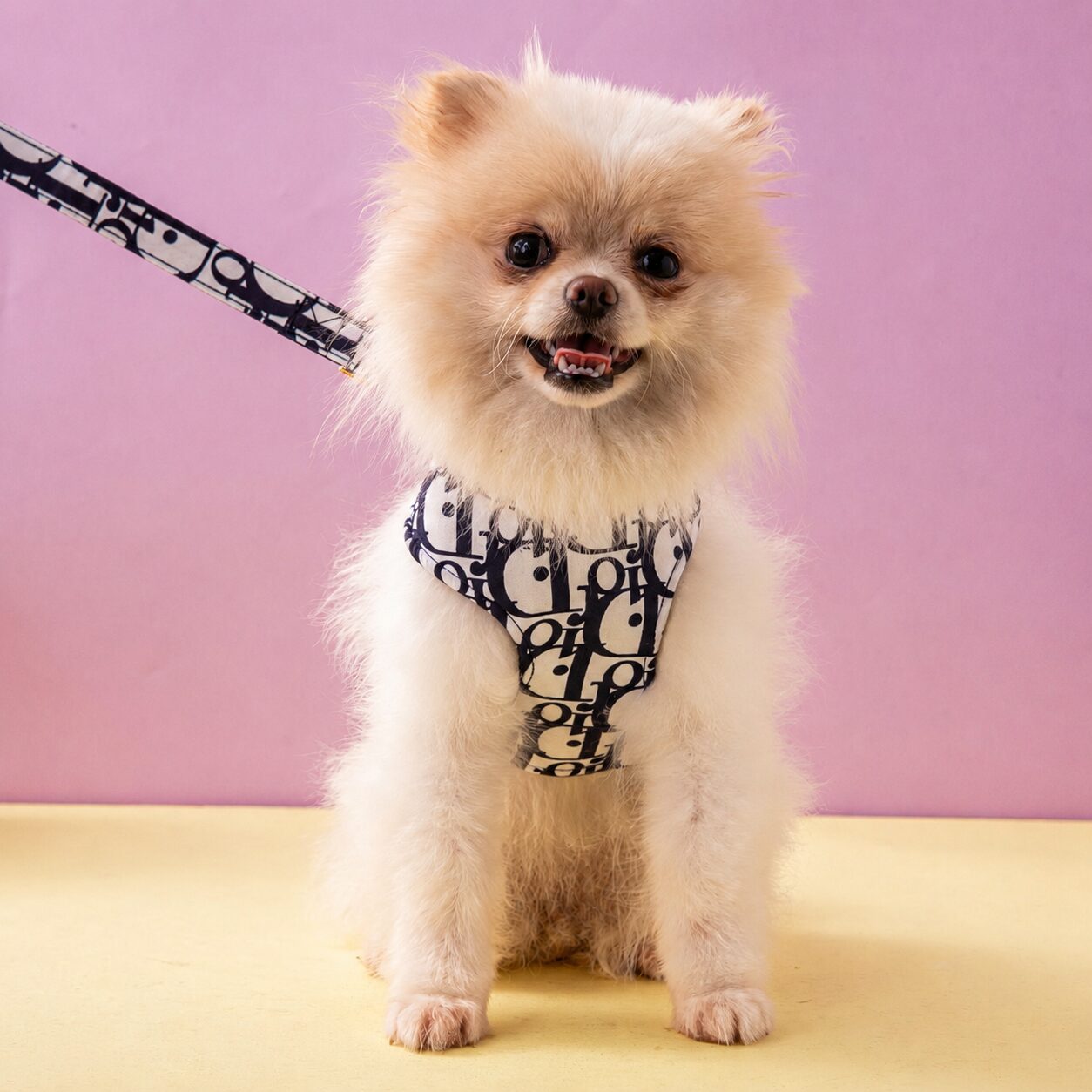
The pet industry is shifting from generic accessories to high-end lifestyle branding. Consumers now demand high-quality personalized dog tote bags that reflect their personal style. Poor quality control in this niche leads to immediate brand erosion. Buyers must understand that a bag is an engineering project. Durability, fabric choice, and print fidelity are critical success factors. Generic low-cost alternatives often fail within a few weeks of use. Cutting corners ruins your brand’s reputation in a tough market. Pros prioritize structural strength over just looking good. High-quality personalized dog tote bags demand serious manufacturing standards. We build every personalized dog canvas tote bag to last. Your custom dog tote bag deserves that kind of professional commitment.You must ensure your partner understands the nuances of pet-safe materials. A well-made bag builds long-term loyalty with your pet-owning customers. Sourcing these items demands a focus on technical specifications rather than just market trends.
- Market Evolution: Pet owners view their animals as family members. They demand human-grade quality for pet products.
- Brand Longevity: The durability of your gear acts as a direct endorsement of your brand’s commitment to quality.
- Engineering Focus: We prioritize high-tenacity fibers to ensure the structural longevity of every personalized dog tote bags unit produced.
| Quality Metric | Generic Market Bag | Aimazing Standard |
| Fabric Density | 8oz Cotton | 16oz+ Heavy Canvas |
| Seam Construction | Single Stitch | Reinforced Double Stitch |
| Print Longevity | Fades after 3 washes | 50+ Wash cycles |
| Safety Standard | Untested Materials | BPA-Free / Pet-Safe |
2. Mistake1: Neglecting Fabric Specifications and Weight
Many buyers fail to consider fabric weight when sourcing a personalized dog canvas tote bag. Thin fabrics lack the structure to hold heavy pet essentials. They also suffer from rapid wear at the base and handles. You must specify the exact weight in your technical requirements. High-density canvas provides the structural rigidity required for daily use. Reinforcement at stress points is another essential engineering detail. A personalized dog canvas tote bag without bartacking will eventually tear. We utilize heavy-duty equipment to secure these critical failure points. Never compromise on material density for a minor cost reduction. Quality materials represent the foundation of a successful product launch. Understanding fabric physics is the first step toward reducing long-term product return rates.
- Fabric Weight: Always specify the GSM or ounce weight for all canvas materials.
- Stress Points: Bartacking ensures handles remain attached under heavy, irregular pet loads.
- Construction Logic: Proper structure prevents fabric fatigue and structural collapse over time.
3. Mistake 2: Underestimating Print Durability and Customization Methods
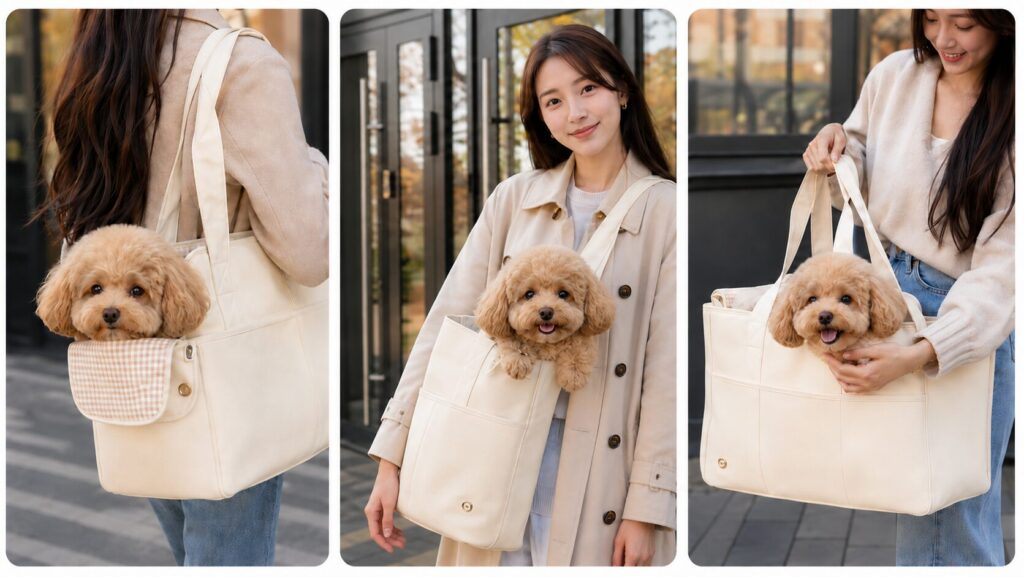
The printing method you choose dictates the lifespan of a custom pet tote bag. Screen printing is still the gold standard for durable, vibrant logos. Digital printing offers deep colors but often lacks real-world durability. Embroidery looks premium, but it needs precise tension control during production. You should always stress-test personalized dog tote bags for peeling or fading. These tests ensure your custom dog tote bag stays looking new after every wash.A custom pet tote bag is an accessory that encounters frequent wear. Low-quality inks will crack, making the product look cheap and worn. We perform wash-cycle testing to verify the resilience of every custom design. Ensure your manufacturer provides a durability guarantee for all print applications.
- Print Methods: Choose screen printing for heavy-duty retail usage to ensure longevity.
- Wash Testing: Verify that all inks meet specific color-fastness and wear-resistance standards.
- Process Control: Precision ink curing is vital for preventing logo degradation in high-traffic environments.
4. Mistake 3: Ignoring Ergonomics and Safety in Functional Carrier Designs
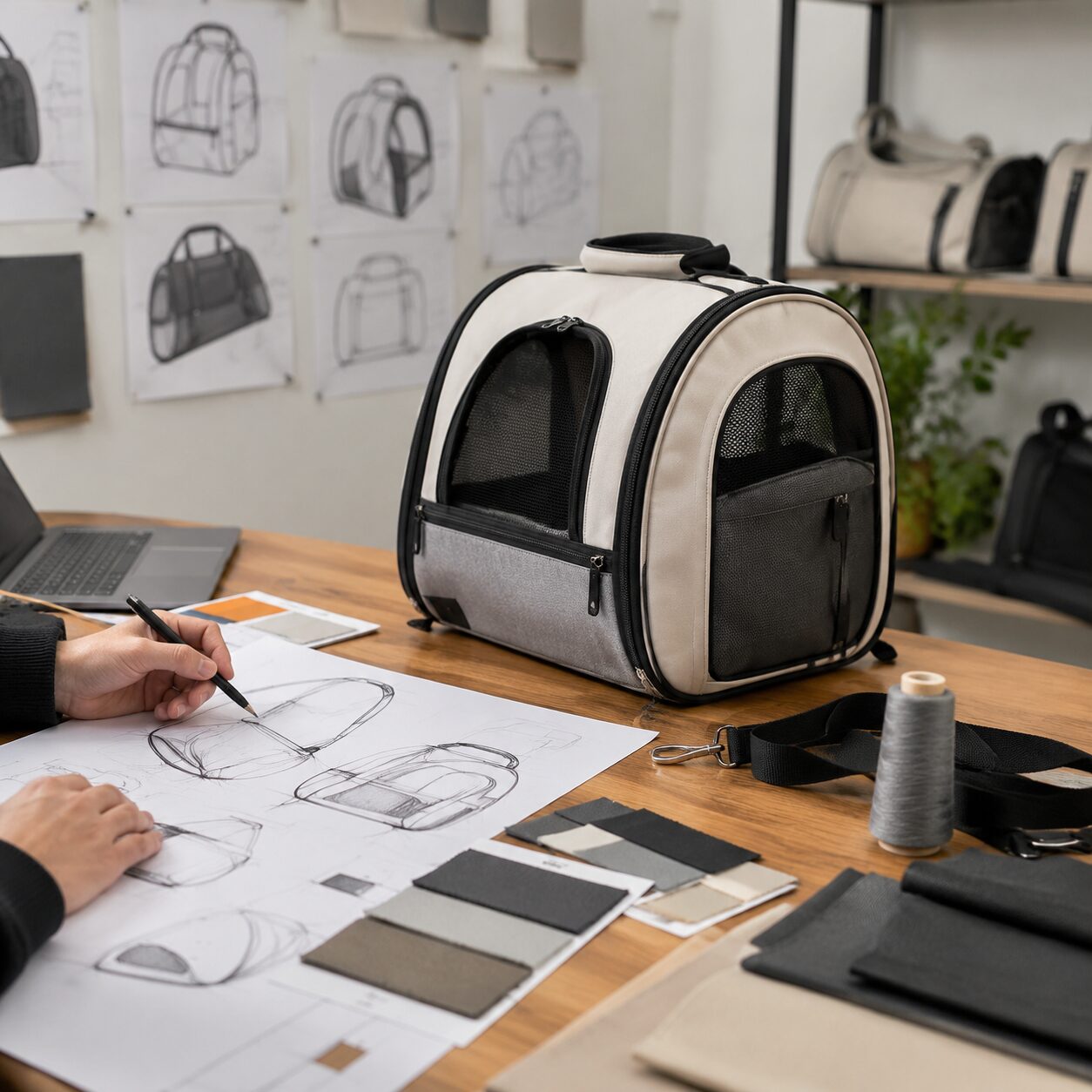
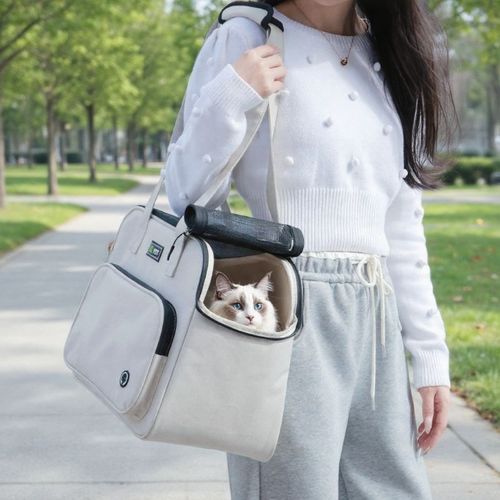
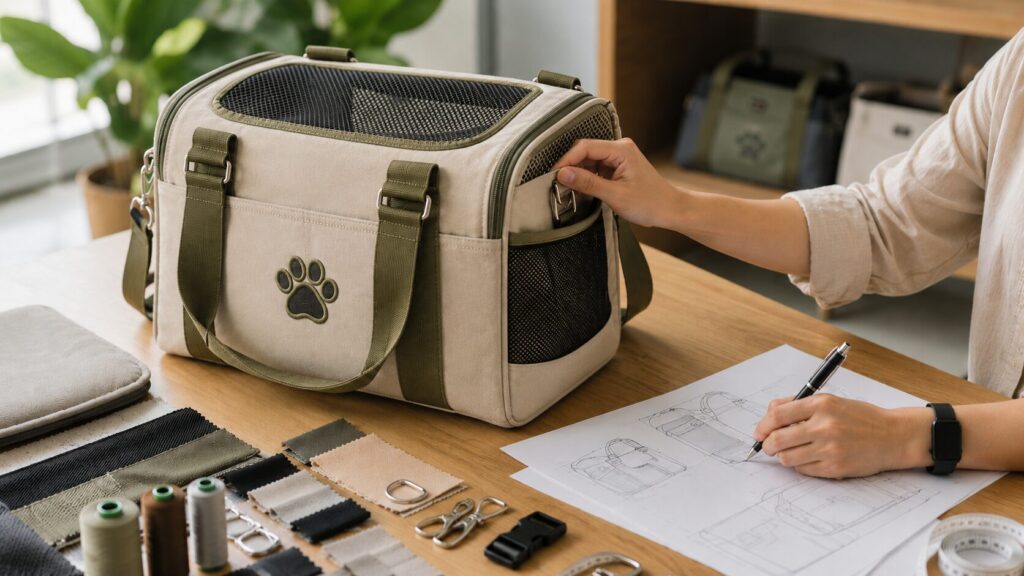
Functional design is the primary requirement for personalized dog carrier bags. Aesthetics are secondary to the safety of the animal inside. A bag must offer proper ventilation to prevent heat buildup during travel. Poor weight distribution places unnecessary strain on both the owner and pet. Ventilation mesh must be high-strength to resist scratching from sharp claws. Personalized dog carrier bags require internal clips for added security. Safety protocols should guide every structural decision during the design phase. Never sacrifice ergonomic safety for a lower price point. A safe carrier is an essential tool for every responsible pet owner. Professional designs prioritize weight balance and structural support.
- Ventilation: Use high-strength mesh to maintain airflow and ensure pet comfort.
- Security: Internal tethers are non-negotiable for pet safety during transit.
- Ergonomics: Padded handles reduce strain on the owner during extended carry scenarios.
5. Mistake 4 & 5: Compromising on Structural Integrity and QC Protocols
Direct OEM partnerships are superior to complex, multi-layered supply chains. Many buyers suffer from quality drift due to poor factory transparency. We maintain total control through our self-owned production lines. We proudly support 100+ clients for 10+ years, 500+ for 5+ years, and 200+ for 3+ years. This data highlights our ability to sustain high manufacturing standards. Every custom dog tote bag batch requires multi-stage testing before final shipment. Skipping QC to meet a deadline is a recipe for product failure. A transparent factory partner eliminates the risks associated with hidden intermediaries. Quality assurance is an investment in your brand’s future stability.
- Supply Chain Control: Vertical integration allows for lower costs and consistent quality.
- QC Protocol: Multi-stage inspection identifies defects early in the production cycle.
- Manufacturing Pedigree: 26 years of experience ensures that every layer serves a functional purpose.
6. Mistake 6 & 7: Miscalculating Lead Times and Ignoring Supply Chain Transparency
Rushed orders are the primary cause of defects in production. Quality control requires time for inspection and material preparation. Buyers must schedule production to allow for these essential phases. Best practices for scheduling production help avoid stockouts during seasonal demand spikes. A professional partner prioritizes accuracy over speed to minimize return rates. Proper scheduling keeps your supply chain healthy and efficient year-round. Transparency in your supply chain also builds trust with your final customers. Always demand clear documentation regarding fabric and hardware origins. Compliance with safety standards must be verifiable before bulk production starts.
- Inventory Planning: Buffer your schedule to accommodate potential logistical delays effectively.
- Transparency: Opaque supply chains increase risk; prioritize direct partnership with audited OEM manufacturers.
- Consistency: Consistent scheduling prevents the fatigue that leads to manufacturing errors.
7. Scaling Your Brand: Partnering with Aimazing Bag for Success
Aimazing Bag delivers a quarter-century of technical mastery in functional manufacturing. We bridge the gap between creative design and high-performance production reality. Your project achieves market-leading quality at scale through our engineering. We invite your team to request a design feasibility audit for your next custom project. Ensure your next custom project meets the highest performance and cost benchmarks. Partner with an expert manufacturer that balances cost-efficiency with durability. Contact our team to optimize your next production batch today.