A custom patch dog harness gives pet brands more flexibility than a standard logo or fixed embroidery. By combining interchangeable Velcro patches with woven, rubber, PVC or embroidered designs, brands can create harness collections that support personalization, service identification and repeat accessory sales. But the right patch system involves more than choosing a material. Patch size, backing structure, attachment strength, edge finishing and compatibility with the harness all affect durability and everyday usability. In this guide, we compare the most common patch options and explain the key manufacturing considerations for brands developing custom dog harnesses through OEM or ODM production.
1. Engineering Modular Identification: Why a Custom Patch Dog Harness Drives High-Margin Retail Success
Modern pet brands are shifting from static direct embroidery to modular identification systems because consumers demand versatile personalization where a well-designed custom patch dog harness lets owners instantly swap service tags and emotional slogans. Sourcing directors know fixed embroidery limits product utility while partnering with a specialized original equipment manufacturer unlocks advanced hook-and-loop integration to elevate ordinary gear into dynamic lifestyle platforms. Strategic soft-goods engineering ensures long-term customer engagement and robust financial returns across expanding retail channels.
- Consumer Sentiment: Owners willingly pay luxury prices for modular identification items that showcase companion individuality.
- Margin Expansion: Bespoke product categories yield higher gross margins through specialized aesthetic differentiation.
- Aesthetic Appeal: Sophisticated design features transform everyday walking tools into fashionable wearable statements.
2. The Foundation of Interchangeable Branding: Sourcing a Dog Harness Custom Patch
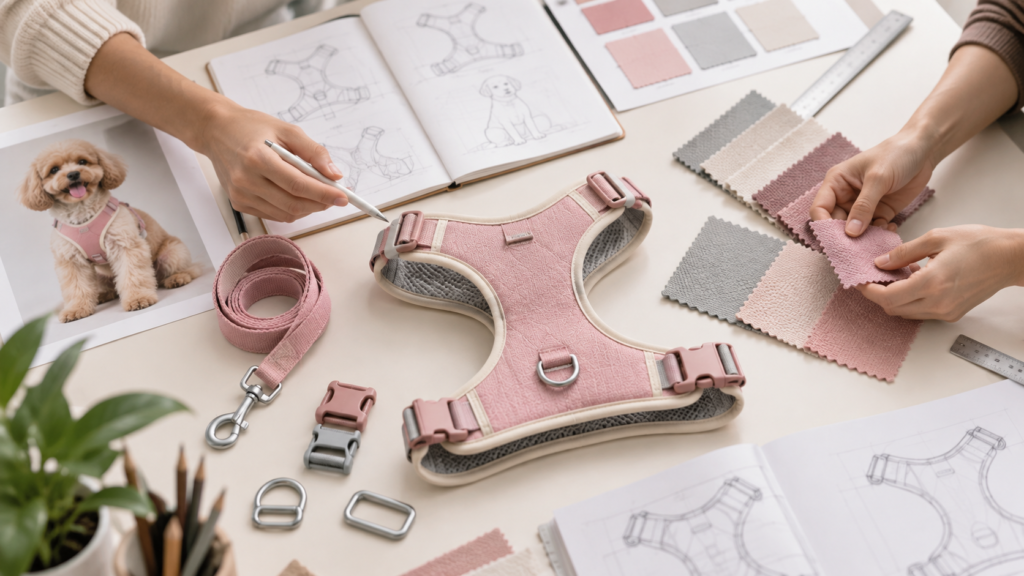
Establishing precise mechanical specifications for rigid hook backing is essential when sourcing a high-performance dog harness custom patch where engineers mandate military-grade nylon hooks that engage soft loop fields without premature edge peeling. Inadequate hook density causes patches to detach easily while professional oversight guarantees shear strength meets rigorous industrial standards across every commercial production batch. Standardized backing protocols ensure seamless compatibility across modular pet gear collections while advanced thermal cutting eliminates raw woven edges.
- Hook Density Calibration: High-density nylon hooks maximize mechanical engagement with loop fastener bases.
- Shear Resistance: Rigorous tensile testing verifies that applied patches withstand heavy lateral dragging forces.
- Edge Peel Prevention: Controlled backing stiffness eliminates annoying corner curling during active wear.
3. Fast-Swap Utility: Designing a Velcro Name Patch for Dog Harness
Designing an effective velcro name patch for dog harness requires balancing typographic contrast, character spacing, and overall font sizing to guarantee instant legibility from a distance where managers evaluate visual proportions for low-light conditions. Block-style sans-serif fonts project high legibility whereas overly complex typefaces compromise safety identification at range while meticulous layout planning ensures optimal visual communication across compact utility panels. Furthermore, integrating UV-stable bonded threads and protective hydrophobic surface coatings shields emblems against solar fading and rain accumulation.
- Typographic Contrast: High-contrast color combinations maximize visual distinction between lettering and background.
- Character Sizing: Optimized font heights ensure emergency warnings and service text remain readable from afar.
- Visual Clutter Reduction: Streamlined layout proportions prevent text crowding on compact accessory panels.
4. Extreme Durability: Engineering a Rubber Patch Dog Harness
Deploying micro-injection PVC and flexible silicone molding technologies enables manufacturers to engineer indestructible badges for a heavy-duty rubber patch dog harness that withstands extreme temperature fluctuations, mud, water, and aggressive scratching. This sophisticated molding process creates multi-colored, three-dimensional designs that outlast traditional fabric emblems without compromising tactile flexibility or wearer comfort. Integrating rigid molded rubber emblems onto flexible ballistic nylon shells requires specialized high-frequency radio-frequency welding to maintain secure attachment integrity during tactical deployments.
- Elastomer Flexibility: High-grade PVC and silicone compounds bend naturally with harness body contours.
- 3D Tactile Profiling: Raised molded lettering creates striking visual depth and superior tactile legibility.
- Weatherproof Construction: Non-porous polymer surfaces repel moisture and grit completely for effortless maintenance.
5. Classic Texture and Cost Efficiency: The Woven Patch Dog Harness
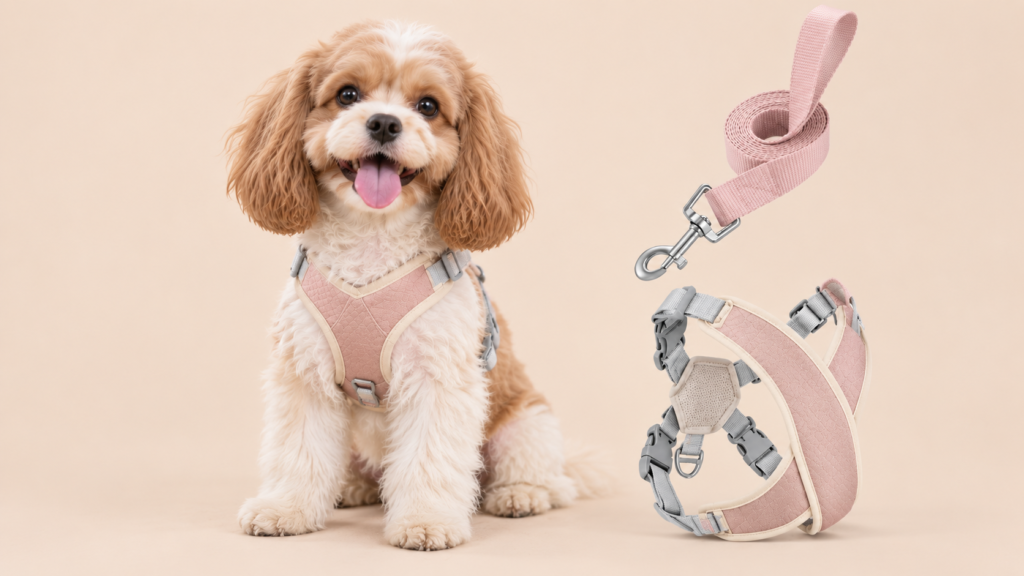
Capturing fine linework, complex geometric patterns, and multi-color gradients without adding excessive weight or stiffness is achieved through high-density damask weaving techniques on a premium woven patch dog harness using micro-fiber polyester threads on Jacquard looms. Unlike thick embroidered emblems, woven patches lie completely flat against the harness body, preventing snagging on protruding branches or tactical gear while advanced textile engineering delivers exceptional aesthetic refinement. Delivering exceptional retail profit margins for high-volume distributors relies on manufacturing efficiency and heat-sealed backing stabilization from Aimazing Bag.
| Component Feature | Engineering Specification | Manufacturing Benefit |
| Weaving Technique | High-density Jacquard damask | Produces ultra-fine linework and smooth gradients |
| Profile Structure | Low-profile flat construction | Eliminates bulky edges that catch on outdoor brush |
| Backing Stabilization | Heat-activated polymer coating | Locks woven yarns securely to prevent fraying |
6. Modular Ecosystems: Supplying Replaceable Harness Patch Inventory
Designing interchangeable patch dimensions that fit seamlessly across an entire brand catalog requires strict universal sizing standards when supplying a diverse replaceable harness patch inventory where directors establish standardized width-to-height ratios for small, medium, and large platforms. Universal modularity enhances the overall consumer experience and drives repeat accessory purchases while standardized sizing eliminates consumer confusion and streamlines factory tooling requirements. Maximizing recurring add-on revenue involves executing professional retail blister-card packaging and eye-catching merchandising displays for every replaceable harness patch collection to encourage impulse purchases.
- Universal Sizing Standards: Standardized dimensions ensure seamless patch interchangeability across all sizes.
- Catalog Consistency: Uniform layout proportions maintain brand visual identity across diverse lines.
- Consumer Convenience: Standardized modularity empowers pet owners to collect and swap multiple badge designs.
7. Sourcing Strategies and Customization Frameworks for Brand Growth
Eliminating costly sample iterations and ensuring absolute batch consistency across global manufacturing runs begins by establishing comprehensive digital tech packs for every custom patch dog harness program in close collaboration with Aimazing Bag. Clear technical documentation eliminates factory ambiguities and accelerates prototyping. Partnering directly with an established soft-goods OEM secures long-term supply chain resilience, fixed material pricing, and predictable container delivery schedules for growing pet brands. Aimazing Bag combines low-MOQ pilot flexibility with advanced laser cutting and multi-stage AQL quality audits to support aggressive retail expansion and sustainable market dominance worldwide.